High Protein Vegan Meals That Keep You Full
Finding satisfying plant-based options does not have to be hard. Many people worry about staying full, but High Protein Vegan Meals are simple to build with the right ingredients. Focus on fiber and nutrient-dense foods to create dishes that support steady energy all day.

Use pantry staples such as beans, lentils, and edamame as your main protein sources. Tofu, tempeh, and seitan provide a versatile foundation for any high protein vegan meal. These foods cost less, store easily, and provide a serious nutritional punch.
This guide shows you how to master plant-based eating. You will learn to shop efficiently and prep ingredients in advance. Then, you can assemble a delicious high protein vegan dish for breakfast, lunch, or dinner.
These practical, filling strategies can transform your kitchen routine.
Key Takeaways
- Focus on legumes and soy products to ensure lasting satiety.
- Batch cooking helps you stay consistent throughout the busy work week.
- Fiber works with plant-based sources to keep hunger levels low.
- Smart shopping saves money while stocking your pantry with essentials.
- Simple assembly techniques make healthy eating accessible for everyone.
Step 1: Build a Filling High-Protein Vegan Meal
A high protein vegan meal can help you stay energized throughout the day. Pair concentrated plant proteins with fiber-rich carbohydrates to help control hunger for hours.
Combine a reliable vegan protein with fiber-rich carbohydrates
Use beans, lentils, tofu, tempeh, seitan, and edamame as protein anchors
For a truly satisfying plate, choose a dense protein source first. Beans, lentils, and edamame provide protein and plenty of fiber.
Tofu, tempeh, and seitan also offer protein and a meaty texture. These ingredients anchor any protein rich vegan dish.
Choose quinoa, oats, brown rice, potatoes, and whole-grain pasta for lasting energy
Pair protein with complex carbohydrates for steady energy. Quinoa and oats are versatile staples for savory and sweet dishes.
Brown rice, potatoes, and whole-grain pasta add the bulk that helps you feel full. Fiber-rich choices can prevent energy crashes from refined grains.
Add vegetables, healthy fats, and flavorful sauces
Include high-volume vegetables for satisfying portions
High-volume vegetables like broccoli, spinach, and zucchini add significant plate space without excess calories. These greens provide essential micronutrients that support your overall health.
Filling your bowl with these vegetables makes each meal feel more substantial. Larger portions can bring greater satisfaction after eating.
Use tahini, avocado, nuts, seeds, and olive-oil-based dressings in sensible amounts
Healthy fats support nutrient absorption and add flavor. A drizzle of tahini or a few avocado slices can transform a simple meal into a gourmet experience.
Use nuts, seeds, and olive-oil-based dressings in moderation to keep meals balanced. These additions provide a rich mouthfeel that makes healthy eating feel indulgent.
Set a practical protein target for each meal
Distribute protein across breakfast, lunch, dinner, and snacks
Consistency matters when following a protein rich vegan lifestyle. Include protein in every meal instead of saving it for one sitting.
Spreading protein across breakfast, lunch, dinner, and snacks can help regulate appetite. This simple strategy keeps you fueled and focused throughout your busy day.
Step 2: Stock the Best Ingredients for High Protein Vegan Meals
The right ingredients make creating a protein rich vegan dish easier during busy weeks. A stocked pantry cuts planning time and helps you enjoy meals sooner. This simple plan keeps healthy meal basics ready.

Keep versatile legumes ready for quick recipes
Use canned chickpeas, black beans, kidney beans, and lentils for convenience
Canned legumes are a lifesaver when you need a fast meal. They are pre-cooked and ready for salads, soups, or stews. Keep several types ready for a high protein vegan meal at a moment’s notice.
Cook dried beans and lentils in batches to lower meal-prep time
If you want to save money, buy dried beans in bulk. Cook a large batch on the weekend and store it in the fridge or freezer. This keeps your kitchen ready for recipes needing a hearty, plant-based base.
Choose plant-based proteins for different textures and cooking methods
Prepare tofu and tempeh for stir-fries, bowls, wraps, and sandwiches
Tofu and tempeh absorb flavors and work in many dishes. Use tofu in soft scrambles or crispy stir-fries. Tempeh has a firm, nutty texture that suits sandwiches and any protein rich vegan kitchen.
Use seitan, edamame, textured vegetable protein, and unsweetened soy foods
Using different protein sources keeps your diet interesting and nutritionally complete. Seitan has a chewy, meat-like texture, while edamame suits snacks and bowls. Textured vegetable protein adds bulk to sauces and makes a useful pantry staple.
Read labels on packaged vegan protein products
Compare protein, fiber, sodium, added sugar, and saturated fat
Not all packaged foods offer the same value. Check nutrition labels before choosing products. Select foods high in fiber and protein, with little sodium and added sugar.
Identify allergens such as soy, wheat, peanuts, and tree nuts
Knowing possible allergens is vital for your safety. Many plant-based products contain soy or wheat, so read ingredient lists carefully. This habit supports a safe, balanced diet.
| Ingredient | Protein per Serving | Best Use |
|---|---|---|
| Tempeh | 20g | Stir-fries and sandwiches |
| Seitan | 25g | Fajitas and hearty stews |
| Edamame | 18g | Salads and power bowls |
| Lentils | 12g | Soups and curries |
Step 3: Prep Protein-Rich Vegan Components for the Week
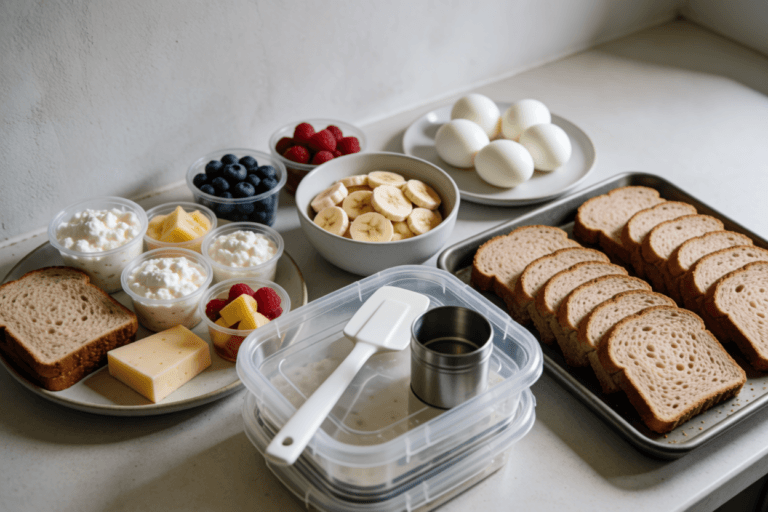
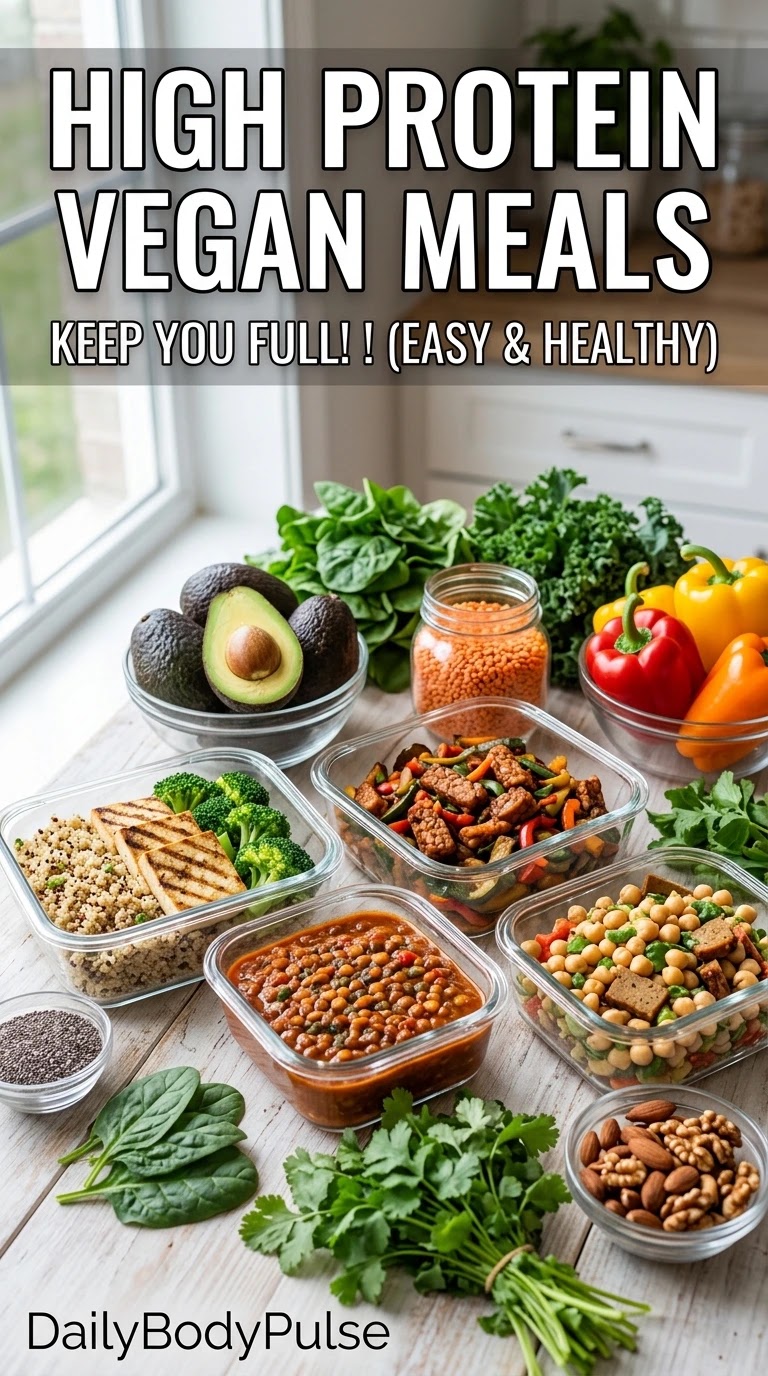
Simplify your weekly routine by prepping key components for every high protein vegan meal. Pre-cooked staples save time and keep your nutrition on track during a busy work week.
Cook a flexible batch of grains and legumes
Prepare quinoa, brown rice, lentils, or farro for bowls and salads
Cooking a large batch of grains or legumes creates a solid meal foundation. Quinoa and farro offer great texture, while lentils add plenty of plant-based protein.
Cool cooked foods promptly and store them in airtight containers
Let your grains cool slightly before sealing them in containers. This limits extra moisture and keeps food fresh for several days in the refrigerator.
Make two sauces that improve flavor and satisfaction
Blend lemon-tahini dressing for bowls, roasted vegetables, and wraps
creamy lemon-tahini dressing adds flavor to simple ingredients. It works as a drizzle for a high protein vegan lunch or a dip for fresh vegetables.
Prepare a peanut-lime or cashew sauce for noodles and stir-fries
For a savory twist, try a peanut-lime or cashew-based sauce. These rich additions give noodles and stir-fries a restaurant-quality taste at home.
Prepare vegetables and proteins for fast assembly
Press and marinate tofu before baking or pan-searing
Pressing tofu removes extra water, helping it absorb marinades. After marinating, bake or sear it quickly for a crispy, satisfying protein source.
Roast vegetables and wash leafy greens for easy meal building
Roasting seasonal vegetables creates a ready-to-eat side dish for any meal. Wash and dry leafy greens after shopping so they stay crisp for your next salad.
Use safe storage and reheating practices
Refrigerate prepared meals within two hours
Food safety matters when you prep meals ahead. Refrigerate cooked components within two hours to maintain quality and prevent bacterial growth.
Reheat leftovers until steaming and discard food with questionable storage time
Heat leftovers until they are steaming hot before eating. If you are unsure how long an item has been in the fridge, discard it to stay safe.
| Component | Prep Method | Storage Life |
|---|---|---|
| Quinoa/Farro | Boil and drain | 4-5 Days |
| Lentils | Simmer until tender | 4 Days |
| Tofu | Press and marinate | 3 Days |
| Roasted Veggies | Oven roast | 3-4 Days |
Step 4: Make a High Protein Vegan Lunch
Making a high protein vegan lunch helps prevent afternoon energy slumps. Nutrient-dense ingredients fuel your body, helping you stay sharp and productive all day.

Assemble a lentil-quinoa power bowl
Layer lentils, quinoa, roasted vegetables, greens, pumpkin seeds, and tahini dressing
A power bowl combines textures and flavors in one meal. Start with cooked quinoa and hearty lentils, then add roasted sweet potatoes or broccoli. Top it with pumpkin seeds and creamy tahini dressing for a truly satisfying experience.
Adjust the portion of grains and vegetables to match hunger and activity
Customize your bowl to match your daily needs. On active days, add more complex carbohydrates, such as quinoa. On less active days, add more leafy greens and roasted vegetables.
Build a tofu and edamame wrap
Fill a whole-grain tortilla with baked tofu, edamame, shredded vegetables, and hummus
Wraps make a quick high protein vegan meal for busy days. Spread hummus on a whole-grain tortilla, then add baked tofu, shelled edamame, and shredded carrots or cabbage. This mix provides plant-based protein and fiber.
Prevent sogginess by keeping wet sauces separate until serving
Nobody enjoys a soggy lunch. Keep hummus and other dressings in a small, separate container. Add the sauce just before eating to protect the wrap’s texture.
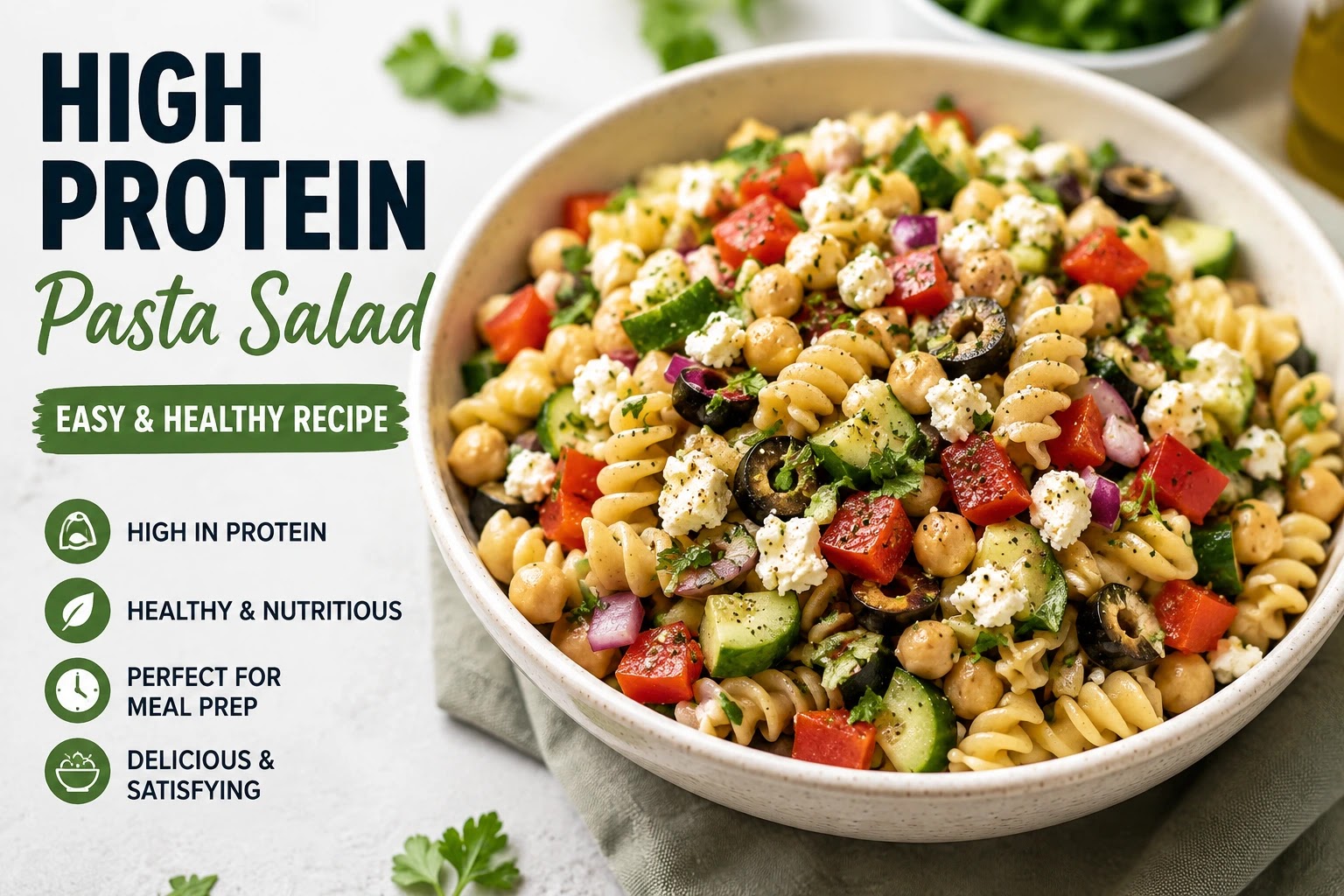
Prepare a chickpea and white bean salad
Combine beans with celery, tomatoes, herbs, and a lemon-mustard dressing
This refreshing salad is a staple among High Protein Vegan Meals. Mix chickpeas and white beans with diced celery and juicy tomatoes. Toss them with lemon-mustard dressing and fresh parsley or dill.
Serve it over greens or with whole-grain toast for additional fiber
Enjoy this bean salad alone or over mixed greens. For more fiber and fullness, pair it with toasted whole-grain bread.
Pack a lunch that stays satisfying
Include a protein-rich main dish instead of relying on vegetables alone
Protein helps you stay full between meals. Include a main dish with legumes or soy products instead of vegetables alone. This simple change can improve your energy levels.
Add fruit, roasted chickpeas, or unsweetened soy yogurt when extra food is needed
Keep healthy snacks nearby when you need more food. Choose fresh fruit, roasted chickpeas, or unsweetened soy yogurt. These additions help your High Protein Vegan Meals fuel you until dinner.
Step 5: Cook a High Protein Vegan Dinner
Choose a high protein vegan dinner to stay full and energized through the evening. Use nutrient-dense ingredients to support your health goals without losing flavor. These High Protein Vegan Meals are satisfying and simple to prepare.
Make a tofu and edamame vegetable stir-fry
Brown pressed tofu before adding broccoli, peppers, mushrooms, and edamame
Press the tofu to remove moisture and help it form a golden crust. Sauté the cubes until crisp, then add broccoli, peppers, and mushrooms. Add edamame last for more plant-based protein and a pleasing texture.
Serve the stir-fry with brown rice, quinoa, or soba noodles
Pair the stir-fry with a moderate serving of complex carbohydrates. Brown rice and quinoa add fiber, while soba noodles bring a nutty flavor to the savory sauce.
Prepare a lentil and tempeh chili
Simmer lentils, tempeh, tomatoes, beans, and spices until thick
Lentils and tempeh give this hearty dish a rich, meaty texture. Simmer them with tomatoes, beans, and chili spices until thick and comforting.
Top each bowl with avocado, cilantro, or a spoonful of unsweetened soy yogurt
Add fresh toppings for healthy fats and a creamy finish. Unsweetened soy yogurt is a vegan alternative to sour cream and balances the spices’ heat.
“The secret to a great plant-based meal is layering textures and flavors so that every bite feels complete and intentional.”
Cook a seitan fajita skillet
Sauté seitan with peppers, onions, black beans, and fajita seasoning
Seitan works well in a high protein vegan dinner because it has a dense, chewy texture. Sauté it with colorful peppers and onions, then add black beans for extra fiber and protein.
Serve with corn tortillas, salsa, cabbage, and lime
Wrap the mixture in warm corn tortillas, then add crunchy cabbage and zesty lime. This meal feels light but remains very filling.
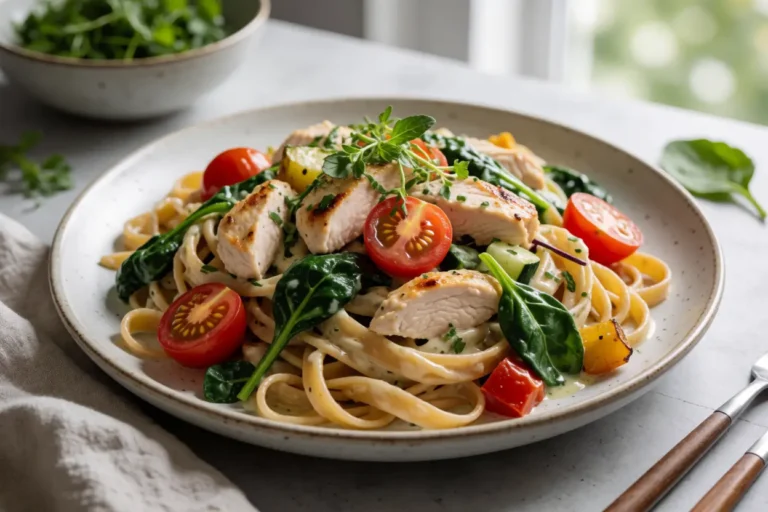
Try a chickpea pasta with creamy white bean sauce
Blend white beans, roasted garlic, nutritional yeast, and lemon into a smooth sauce
Blend white beans with roasted garlic, nutritional yeast, and lemon for a smooth, rich sauce. This adds significant protein without using dairy.
Toss with chickpea pasta, spinach, peas, and roasted vegetables
Chickpea pasta makes a strong base for these High Protein Vegan Meals. Add spinach, sweet peas, and roasted vegetables for volume and essential micronutrients.
Balance portions for fullness without making dinner heavy
Pair concentrated protein with vegetables and a moderate serving of carbohydrates
Build a balanced plate with the right portions for a satisfying dinner. Pair concentrated protein with many vegetables and moderate grains for lasting fullness without bedtime sluggishness.
Step 6: Adjust High Protein Vegan Meals for Better Fullness
Building lasting fullness with plant-based food takes practice and small, steady changes. If your energy drops soon after eating, adjust ingredient amounts to support your metabolism.
Fix a meal that leaves you hungry too soon
Add lentils, tofu, tempeh, edamame, or beans before increasing calorie-dense toppings
When hunger comes soon after eating, you may first reach for calorie-dense fats like avocado or nuts. Instead, increase protein rich vegan staples first, such as lentils, tofu, or edamame. Add an extra scoop to provide the lasting fullness your body needs.
Increase fiber gradually and drink enough water throughout the day
Fiber supports fullness, but too much too fast may cause digestive discomfort. Slowly add beans and whole grains, and drink plenty of water. Good hydration helps fiber move through your system, keeping you comfortable and satisfied longer.
Improve flavor so healthy meals remain appealing
Use garlic, ginger, smoked paprika, cumin, chili, citrus, herbs, and fermented flavors
A high protein vegan diet should feel flavorful, not bland or repetitive. Use fresh ginger, minced garlic, or smoked paprika to transform simple ingredients. Lemon juice or fermented hot sauce can brighten your High Protein Vegan Meals and make them more enjoyable.
Change textures with toasted seeds, crisp vegetables, creamy sauces, and roasted proteins
Texture strongly affects how satisfied we feel. Try these additions to keep each bite interesting:
- Toasted sunflower or pumpkin seeds for a satisfying crunch.
- Crisp, raw vegetables like bell peppers or cucumbers.
- Creamy tahini or cashew-based sauces for a rich mouthfeel.
- Roasted chickpeas or tempeh for a firm, chewy bite.
Adapt recipes for allergies and dietary preferences
Replace soy with lentils, beans, seitan, peas, or chickpeas when appropriate
If you have a soy allergy, you can enjoy a high protein vegan lifestyle by replacing tofu with nutrient-rich foods. Lentils, chickpeas, and green peas provide a similar protein boost. Seitan is another strong choice, unless you have gluten sensitivity.
Choose gluten-free grains instead of seitan or wheat-based products when needed
If you avoid gluten, choose naturally gluten-free grains like quinoa, buckwheat, or amaranth. Pair these grains with beans to create complete amino acid profiles. This keeps your High Protein Vegan Meals safe and nourishing for your specific needs.
Know when to seek personalized nutrition advice
Consult a registered dietitian for medical conditions, pregnancy, or complex dietary needs
General guidelines help, but each body is different. If you manage a medical condition, are pregnant, or have complex dietary needs, seek professional guidance. A registered dietitian can create a customized plan to help you meet your nutrition goals safely.
Conclusion
Understanding food groups helps you build satisfying, sustainable eating habits. High Protein Vegan Meals combine plant proteins, fiber-rich carbohydrates, and healthy fats to support lasting fullness. Add flavorful sauces, and these meals can support your energy throughout the day.
Consistency gets easier when you prepare grains, legumes, tofu, and dressings ahead of time. Ready ingredients help you make a nutritious lunch or quick high protein vegan dinner without stress. This strategy removes guesswork from busy days.
Adjust portions, flavors, and textures to match your activity levels and dietary needs. Swap ingredients for personal preferences or to manage food allergies.
Listen to your body as you refine these meals. Better nutrition is a personal journey that changes over time.
Experiment with these plant-based combinations in your kitchen today. Share favorite recipe variations with friends or family members who want better eating habits. Small changes bring lasting results when you choose quality ingredients and prepare food mindfully.