5 Common Nutrition Mistakes Slowing Down Your Weight Loss
Starting a healthier journey can feel like a full-time job. You track meals, work out, and stay dedicated, yet the scale will not move. It is frustrating when your hard work does not bring the results you expect.
Often, the problem is not weak willpower but 5 Common Nutrition Mistakes that quietly stall progress. These small errors can upset your energy balance before you notice them.

Inaccurate portions, hidden liquid calories, and uneven weekend habits are easy weight loss diet mistakes to fix. Small, lasting changes can help you regain momentum. Success comes from consistency, not perfection, so refine your approach to reach your goals faster.
Key Takeaways
- Focus on consistent energy balance rather than extreme restriction.
- Prioritize protein and fiber to keep hunger levels stable throughout the day.
- Be mindful of liquid calories that can add up quickly.
- Avoid the trap of inconsistent eating habits during the weekends.
- Small, practical adjustments lead to better long-term results than perfection.
Why Everyday Nutrition Choices Can Stall Weight Loss
Small daily choices can explain why your weight loss results have stalled. You may focus on major meals, but repeated minor actions also shape your progress. Recognizing these patterns is one of the most effective nutrition tips for weight loss.
How Small Eating Habits Affect Your Calorie Balance
It is easy to miss the “extras” that enter your diet throughout the day. A tablespoon of salad dressing or a splash of creamer in morning coffee may seem small. These additions can total hundreds of extra calories over one week.
These are common healthy eating mistakes to avoid:
- Adding extra oil or butter during cooking without measuring.
- Consuming liquid calories like sweetened teas or sodas.
- Mindlessly snacking on small portions of nuts or dried fruit.
Why Slow Progress Does Not Always Mean Your Plan Is Failing
If the scale stops moving, you may feel your efforts have failed. It is important to remember that body weight is not a static number. Daily weight can change because of sodium intake, water retention, digestion, and your menstrual cycle.
Changes in activity levels can also affect how your body stores water. A temporary scale stall does not always mean you are failing to lose fat. Your body may be adjusting to new routines or recovering from intense exercise.
How to Evaluate Nutrition Changes Without Chasing Perfection
Rather than expecting perfect results each day, look at the bigger picture. Sustainable change comes from consistency over several weeks, not daily perfection. Track broad trends instead of each day’s scale reading.
Consider these indicators to track your success:
- Energy levels: Do you feel more vibrant throughout the day?
- Hunger cues: Are you feeling more satisfied with your meals?
- Adherence: Is your current plan something you can realistically maintain?
- Measurements: Do your clothes fit differently, even if the scale is steady?
These markers can help you adjust your approach to healthy eating without chasing impossible standards. Remember that small, consistent improvements are the foundation of lasting health.
Relying on Portion Estimates Instead of Paying Attention to Serving Sizes
One of the most common weight loss diet mistakes involves underestimating how much we eat. Visual guesses can hide small additions that raise your daily calorie intake. This habit is one of the 5 Common Nutrition Mistakes and can quietly stall your progress.
Hidden Calories in Oils, Sauces, Drinks, and “Healthy” Extras
Many people overlook the concentrated energy in liquid ingredients. A simple drizzle of olive oil or generous salad dressing can add hundreds of calories without much volume. These hidden calories often explain why a healthy-looking salad may not support your goals.
Even “healthy” extras like nuts, seeds, or avocado can pack many calories. While these foods offer useful nutrients, eat them with care. Measuring them once or twice can surprise anyone managing their weight.
“The secret to long-term success is not about restriction, but about understanding the energy density of the foods you enjoy every day.”
Practical Ways to Build Balanced Portions
Building a balanced plate does not require weighing every bite. Use simple visual guides to make meals filling and nutritious. This approach helps you avoid common weight loss diet mistakes caused by careless serving sizes.
Using the Plate Method for Vegetables, Protein, Carbohydrates, and Fats
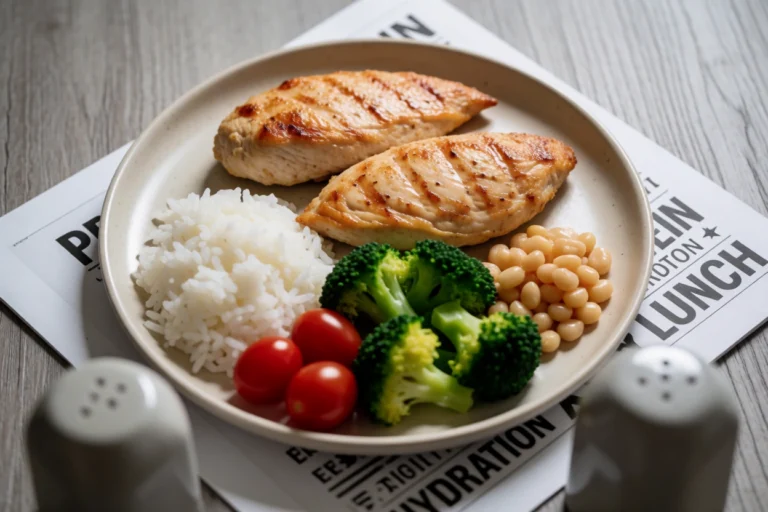
The plate method is a highly effective tool for creating consistent meals. By dividing your plate, you can manage calories and get enough fiber and protein.
- Fill half of your plate with non-starchy vegetables like spinach, broccoli, or peppers.
- Dedicate one-quarter to lean protein sources such as chicken, tofu, or fish.
- Use the final quarter for complex carbohydrates like brown rice, quinoa, or sweet potatoes.
- Add a small, thumb-sized portion of healthy fats to round out the meal.
Adjusting Portions Without Eliminating Favorite Foods
You do not need to ban favorite treats to see results. Practice moderation and reduce portions slowly. If you love a sauce, use half your usual amount or choose a lower-calorie version.
| Food Item | Estimated Portion | Actual Calorie Impact |
|---|---|---|
| Olive Oil | “A quick splash” | ~240 calories |
| Salad Dressing | “A generous pour” | ~180 calories |
| Peanut Butter | “A heaping spoonful” | ~190 calories |
| Cheese Topping | “A handful” | ~110 calories |
Mindful small changes give you more control over nutrition. Small, steady changes are more sustainable than drastic cuts. Build habits you can maintain for the long term.
Skipping Protein and Fiber at Meals
One of the most common weight loss diet mistakes is skipping protein and fiber at meals. Many people only cut calories, which can leave them hungry soon after eating. Focusing on both nutrients creates a more lasting approach to your health goals.
Why Protein Supports Fullness and Muscle Retention
Protein provides four calories per gram. It supports muscle maintenance, especially during a calorie deficit or resistance training. Using protein for weight loss helps preserve lean muscle while your body burns fat for energy.
Protein takes longer to digest than simple carbohydrates, so it helps you stay full longer. This natural fullness makes your plan easier to follow without feeling deprived. Include a quality protein source at each meal to help manage your appetite.
How Fiber-Rich Foods Can Make a Weight Loss Diet More Satisfying
Adding fiber-rich foods for weight loss increases meal volume without adding many calories. Fiber slows digestion, which helps steady blood sugar and prevent sudden hunger. Filling meals can reduce the urge to eat unplanned snacks during the day.
High-Protein Foods to Add to Breakfast, Lunch, and Dinner
Eating a variety of foods provides needed nutrients and keeps meals interesting. Choose these staples to increase your protein intake:
- Greek Yogurt: A versatile option for breakfast or a quick snack.
- Eggs: An affordable and high-quality protein source for any time of day.
- Poultry and Fish: Lean choices that provide essential amino acids for muscle repair.
- Tofu: A great plant-based alternative that absorbs flavors well in stir-fries.
Simple Sources of Fiber, Including Beans, Vegetables, Fruit, and Whole Grains
Fiber comes from many whole foods that are low in calories and rich in nutrients. Try to fill half your plate with these foods for greater satisfaction:
- Beans and Legumes: Excellent for adding texture and heartiness to soups or salads.
- Vegetables: Leafy greens, broccoli, and peppers provide massive volume for very few calories.
- Fruit: Berries and apples offer natural sweetness along with essential fiber.
- Whole Grains: Oats, quinoa, and brown rice provide sustained energy throughout the day.
| Food Category | Primary Benefit | Serving Suggestion |
|---|---|---|
| Lean Proteins | Muscle Support | 3-5 ounces per meal |
| Cruciferous Veggies | High Volume/Fiber | 1-2 cups per meal |
| Whole Grains | Sustained Energy | 1/2 cup cooked |
| Legumes | Fiber & Protein | 1/2 cup per serving |
Cutting Calories Too Aggressively
Slashing daily calories can seem tempting when you want the scale to move faster. However, this plan can ignore essential nutrition tips for weight loss that support long-term health. Extreme deprivation rarely produces the results you want.

Signs That a Weight Loss Plan May Be Too Restrictive
Your body signals when it lacks enough fuel. Warning signs include persistent hunger that remains after meals and lower daily energy. You may also struggle to focus at work or feel unusually irritable with friends and family.
Sluggish workouts or slow recovery may mean your intake is too low. Recurring episodes of overeating are another major warning sign. They often occur because your body tries to replace energy missed earlier.
How Severe Restriction Can Lead to Hunger, Fatigue, and Overeating
Eating too little causes your brain to increase hunger signals for protection. This response makes plans hard to follow because food stays on your mind. Constant food cravings are a biological response to low energy, not weak willpower.
Severe restriction can also slow metabolism as your body conserves energy. Fatigue and hunger can make your routine hard to maintain. Extreme measures often cause restriction followed by intense binging instead of steady progress.
Creating a Moderate Calorie Deficit You Can Maintain
The most effective way to reach your goals is creating a calorie deficit for weight loss that feels manageable. A moderate plan helps you lose weight while keeping energy for life and the gym. Consistency matters more than speed when seeking lasting change.
Building a sustainable weight loss diet requires patience and self-compassion. If you have complex health needs or medical conditions, consult a registered dietitian. They can help you find balance without the stress of extreme deprivation.
Assuming Healthy Foods Can Be Eaten Without Limits
Assuming healthy foods have no limits is one of the 5 Common Nutrition Mistakes. Nutrient-dense foods provide vitamins and minerals, but they still add to your daily energy intake. Fats have nine calories per gram, while protein and carbohydrates have four.
Calorie-Dense Foods That Still Belong in a Balanced Diet
Identifying calorie-dense healthy foods helps you manage your nutrition. These foods support good health, but mindful portions help you meet your goals.
Nut Butters, Avocado, Olive Oil, Nuts, and Smoothies
These foods contain heart-healthy fats and fiber, but they are also energy-dense. A small handful of almonds or a generous drizzle of olive oil can add hundreds of calories quickly. Even healthy smoothies can become calorie bombs with too much fruit, nut butter, and sweetener.
How Preparation Methods Can Change a Meal’s Calories
Cooking methods can greatly change a meal’s final calorie count. The right method lets you enjoy favorite ingredients without hidden extras.
| Cooking Method | Calorie Impact | Best For |
|---|---|---|
| Steaming | Low | Vegetables |
| Roasting | Moderate | Root Vegetables |
| Frying | High | Proteins |
How to Enjoy Nutritious Foods While Managing Portions
Knowing healthy eating mistakes to avoid does not mean banning your favorite foods. Use simple strategies to control portions while enjoying your meals.
- Measure your fats: Use a measuring spoon for olive oil or nut butter instead of pouring from the bottle.
- Use smaller bowls: This simple trick helps you picture a standard serving size.
- Prioritize whole foods: Choose whole nuts over nut butter to increase fullness and slow your eating pace.
- Check labels: Read the serving size on packaging to understand what you are consuming.
Treat these nutrient-rich foods with the same care as any other food to maintain a balanced diet. Consistency is the secret to long-term success, not restriction.
Letting Drinks, Snacks, and Weekends Undermine Consistency
Small choices during the week can affect your results more than you expect. You may focus on main meals, but small habits can become weight loss diet mistakes. Consistency means considering everything you eat and drink each day.

Liquid Calories From Alcohol, Sweetened Coffee, Soda, and Juice
Many people miss the link between liquid calories and weight loss. Sweetened lattes, sodas, and fruit juices can contain lots of sugar without making you feel full. These drinks may not trigger the same fullness signals, so you may consume extra calories without feeling satisfied.
Alcohol can add empty calories and lower your inhibitions. Choose water, unsweetened tea, or sparkling water to stay hydrated and support your calorie goals.
Why Unplanned Snacks Can Add Up Between Meals
Grazing is a common habit that often goes unnoticed. Eating directly from a bag or box makes portions hard to track. These small, unplanned snacks can quickly add up and slow your progress.
To avoid this, place your snack in a bowl before eating. This simple step creates a clear portion and helps you stay aware of your intake.
Building a Flexible Routine for Restaurants, Celebrations, and Weekends
healthy weekend eating does not require avoiding social events or restaurants. Plan ahead and stay flexible so you can enjoy life while meeting your goals. At celebrations, choose protein and vegetables first, then enjoy favorite foods in moderation.
Choosing Satisfying Snacks Before Hunger Becomes Urgent
Arriving at a restaurant or party very hungry can make overeating more likely. Eat a small, protein-rich snack before leaving home to manage your appetite. This helps you make thoughtful choices instead of reacting to intense hunger.
Returning to Normal Eating After an Indulgent Meal
One indulgent meal will not ruin your progress, so you do not need to restrict food the next day. Return to your normal, balanced eating routine right away. This helps prevent overeating followed by extreme restriction, a common pitfall.
| Habit Type | Common Trap | Better Alternative |
|---|---|---|
| Beverages | Sweetened Lattes | Black Coffee or Tea |
| Snacking | Eating from the bag | Pre-portioned serving |
| Weekends | All-or-nothing mindset | Flexible moderation |
Simple Nutrition Tips for Weight Loss That Are Easier to Sustain
Changing your relationship with food starts with practical steps that reduce stress in your daily routine. By focusing on sustainable nutrition habits, you can build a lifestyle that supports your goals without feeling overwhelmed. Small, steady changes often bring the most lasting results.
Planning Balanced Meals Before Hunger Takes Over
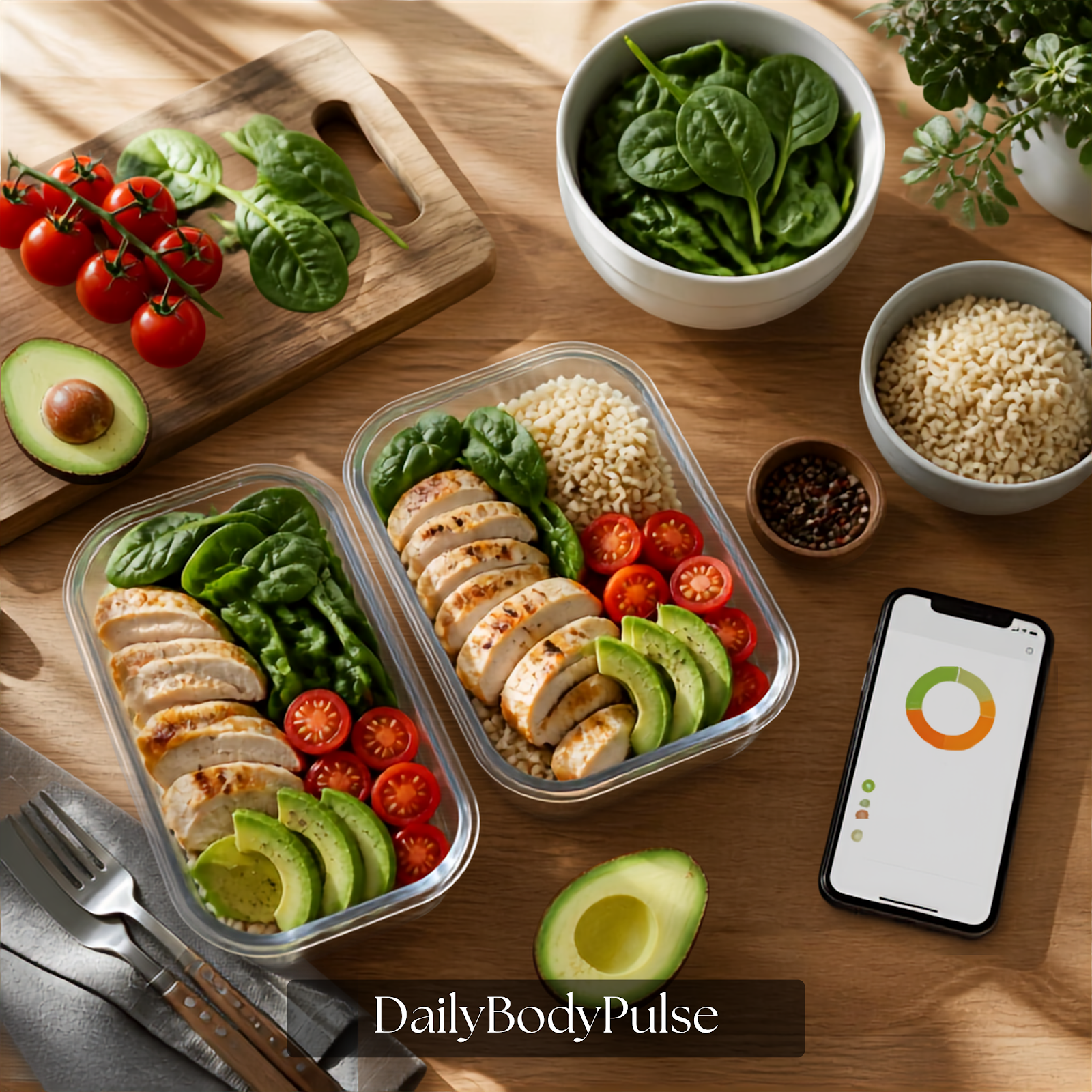
One of the most effective nutrition tips for weight loss is preparing meals before intense hunger begins. When you are famished, your brain seeks quick energy, which can lead to impulsive choices. Healthy meal planning helps balance your plate with protein, fiber-rich vegetables, and complex carbohydrates.
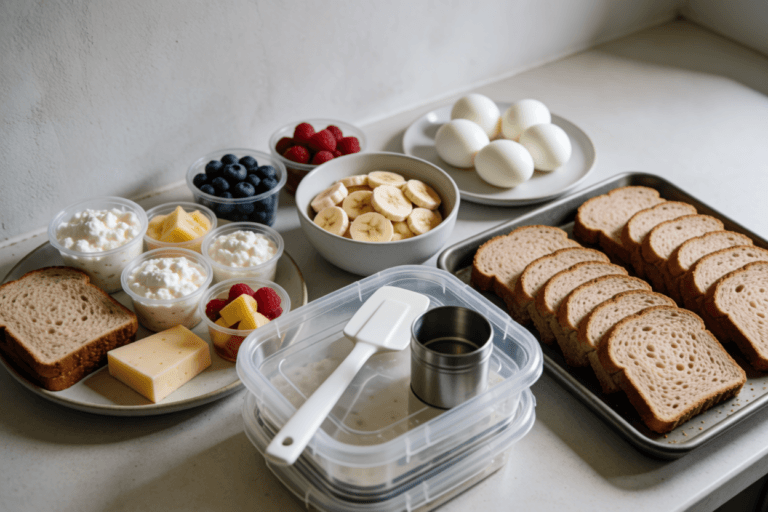
Pre-portioned snacks and prepared ingredients can keep you from relying on convenience foods. This step can steady your blood sugar and help you control your intake throughout the day.
Tracking Patterns Instead of Treating Food Logs as a Judgment
Many people use food logs to police themselves, but logs can reveal useful data. Use tracking to spot patterns in energy, hunger cues, and weekend habits, rather than judge your worth. Understanding your unique tendencies helps you build sustainable nutrition habits for your lifestyle.
Using Weekly Progress Checks Beyond the Number on the Scale
The scale shows only one measure of success and may miss the full picture of your health journey. Weekly progress checks reveal the broader effects of your healthy meal planning efforts. Track these non-scale victories to stay motivated:
- Changes in waist measurements or how your clothes fit.
- Improvements in your daily energy levels and mood.
- Increased strength or endurance during your workouts.
- Consistency in following your planned nutrition routine.
When to Seek Guidance From a Registered Dietitian or Healthcare Professional
Sometimes, a qualified expert can provide the personalized advice you need. If you feel stuck, have lasting fatigue, or face specific medical needs, a registered dietitian can refine your strategy. This support helps keep your plan safe and effective for long-term health.
| Metric | Focus Area | Expected Outcome |
|---|---|---|
| Food Logging | Identifying Patterns | Better Habit Awareness |
| Waist Size | Body Composition | Improved Health Markers |
| Energy Levels | Daily Vitality | Increased Productivity |
| Scale Weight | Overall Trend | Long-term Weight Management |
Conclusion
Reaching your health goals takes a lasting change in perspective, not a temporary fix. Addressing the 5 Common Nutrition Mistakes can improve progress and support weight loss. Accurate portions, adequate protein, and enough fiber create a strong foundation for success.
Many people struggle because they miss liquid calories or cut calories too sharply. Finding these healthy eating mistakes to avoid helps you build a manageable routine. Sustainable weight loss depends on repeatable habits that protect energy and keep you satisfied throughout the day.
Choose one small adjustment to your routine this week. Notice how your body responds during the next month. Consistency matters more than perfection when you seek meaningful changes in your health.
Contact a registered dietitian or a healthcare professional for personalized support. Expert guidance can help you meet your unique needs and protect long-term wellness. Your journey toward a healthier lifestyle is a marathon, not a sprint.