Meal Prep for Weight Loss That’s Insanely Simple
Starting a health journey can feel overwhelming, especially when you imagine hours in the kitchen. You want to reach your fitness goals, but complex cooking routines can cause burnout. Meal Prep for Weight Loss offers a practical way to stay on track without harming your schedule or peace of mind.
Simple habits can change how you eat each day. This guide covers seven essential sections to help you build a steady kitchen routine. We explore easy-to-follow strategies, smart planning, and tasty meal prep recipes for beginners that taste great.

You do not need to be a professional chef to succeed. Our repeatable approach fits your busy lifestyle. Let’s simplify your path to better health and steady results, starting right now.
Key Takeaways
- Focus on simple, repeatable habits to ensure long-term success.
- Use basic planning strategies to save time during your busy week.
- Select easy recipes that require minimal equipment and effort.
- Prioritize consistency over perfection to reach your health goals.
- Create a sustainable routine that fits your unique lifestyle.
Meal Prep for Weight Loss: The Simple Framework
A simple framework removes guesswork from your kitchen and helps you build a lasting routine. Focus on consistency over perfection to make your goals easier to follow. A structured Meal Prep for Weight Loss approach can prevent last-minute takeout choices.
Set a realistic calorie and portion target
Before cooking, determine what your body needs. Extreme calorie deficits can cause burnout, so choose a manageable target for your lifestyle. A sustainable weekly meal prep plan should support your energy throughout the day.
Build meals around protein, fiber, and satisfying fats
Each meal should include these three pillars to help you feel full. Protein helps maintain muscle mass, while fiber supports smooth, steady digestion. Healthy fats make meals feel truly satisfying instead of restrictive.
Choose repeatable foods instead of complicated recipes
You do not need hours in the kitchen or complex recipes. Choose five or six core ingredients you enjoy, then rotate them all week. This approach simplifies grocery shopping and greatly reduces food waste.
Use the plate method for balanced portions
The plate method is a powerful tool for beginners who want to avoid counting every calorie. Fill half your plate with colorful vegetables, one-quarter with lean protein, and one-quarter with complex carbohydrates. This guide provides key nutrients without requiring a food scale.
Account for snacks, drinks, and flexible meals
Your weekly meal prep plan should include snacks and hydration. Keep nuts, fruit, or Greek yogurt nearby to prevent hunger spikes. Planning flexibility makes your Meal Prep for Weight Loss journey more enjoyable and lasting.
Plan a Weekly Meal Prep Routine You Can Repeat
Changing your eating habits starts with a reliable weekly meal prep plan that fits your lifestyle. Removing daily guesswork saves mental energy and helps you stay consistent with your health goals.
Map out breakfasts, lunches, dinners, and snacks
Start by sketching a simple menu for the week ahead. Choose balanced portions that keep you satisfied throughout the day. Knowing your meals makes you less likely to choose impulsive, unhealthy options.
Create a short grocery list from a few core ingredients
Make shopping trips efficient by choosing versatile staples. Select ingredients that work in multiple dishes, such as greens, lean proteins, and hearty grains. This strategy simplifies your Meal Prep for Weight Loss and controls your grocery budget.

Batch-cook proteins, grains, vegetables, and sauces
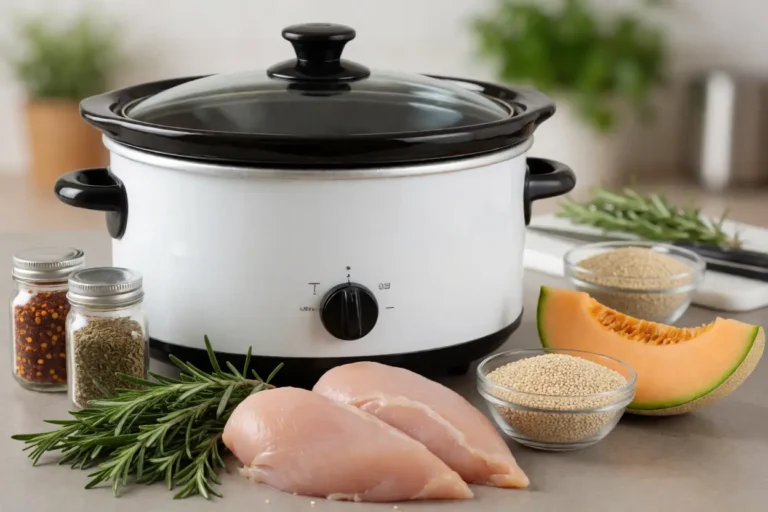
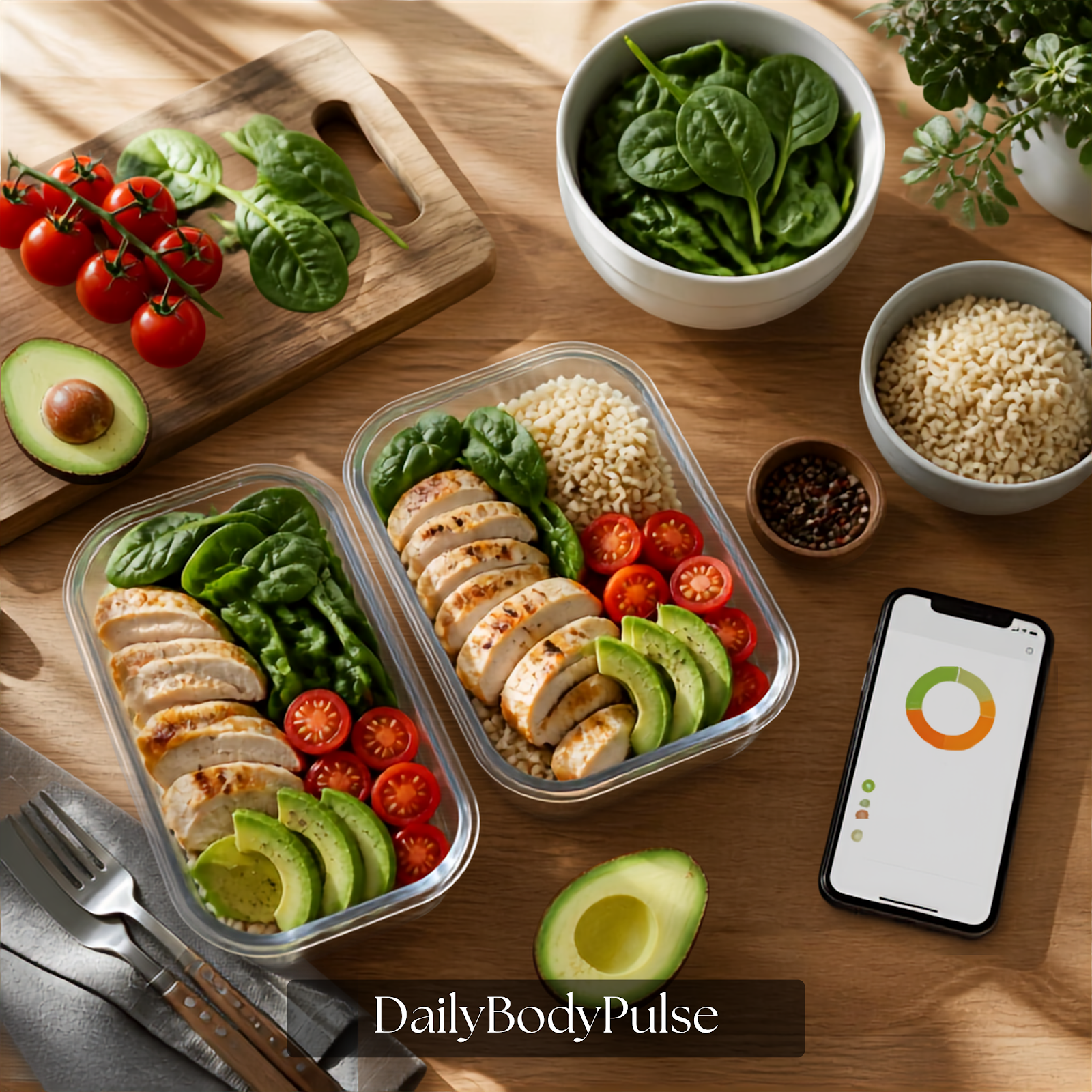
Cook large portions of your main components at once. Keep pre-cooked chicken, quinoa, roasted broccoli, and a flavorful vinaigrette in the fridge for quick assembly. This method gives you a healthy meal in minutes.
Choose a practical prep day and prep window
Pick a time that fits your schedule, such as Sunday afternoon or Monday evening. Aim for a two-hour window to finish without feeling rushed. Consistency is key, so treat this time like an important appointment you cannot miss.
Store meals safely in the refrigerator and freezer
Use quality airtight containers to keep food fresh for several days. Refrigerate meals you will eat soon and freeze portions for later in the week. Proper storage prevents spoilage and keeps your hard work delicious.
Keep backup foods available for busy days
Even the best plans can fail when life gets hectic. Keep a few emergency staples nearby, such as canned beans, frozen vegetables, or pre-cooked protein packets. These foods help you assemble a nutritious meal in seconds when cooking is not possible.
Easy Meal Prep Recipes for Beginners
Starting with meal prep recipes for beginners does not have to feel overwhelming. Focus on versatile staples to build a lasting habit that supports your health goals without hours in the kitchen.
“Simplicity is the ultimate sophistication,” Leonardo da Vinci once noted. This idea fits your kitchen routine because simple plans are easier to follow.

Overnight oats with Greek yogurt and berries
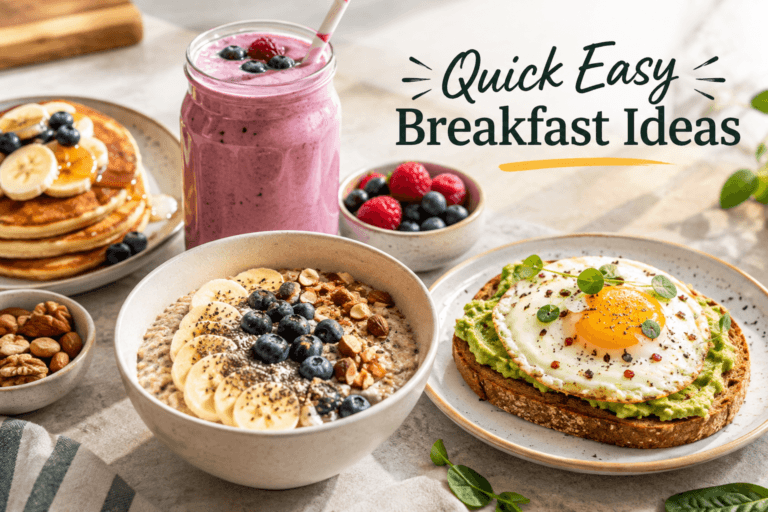
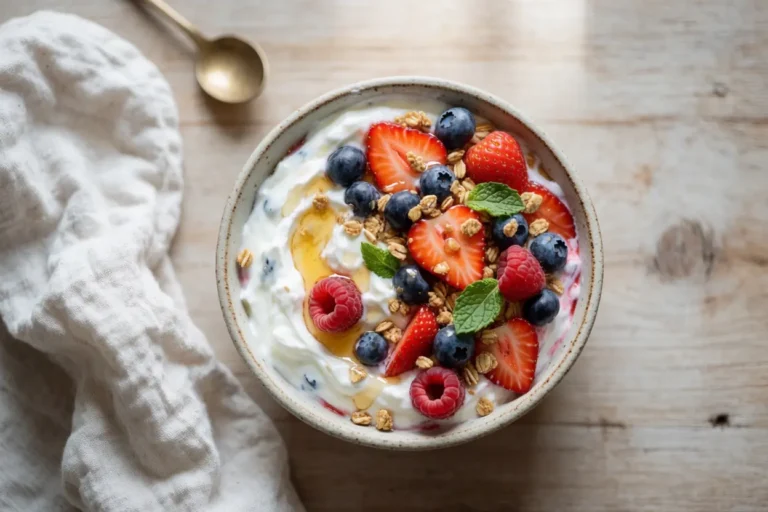
This breakfast is a key part of clean eating meal prep. Combine rolled oats, Greek yogurt, and almond milk in a jar, then add fresh or frozen berries. Leave it in the fridge overnight, creating a creamy, protein-packed meal ready when you wake.
Sheet-pan chicken with roasted vegetables and brown rice
Sheet-pan meals save time on busy weeknights. Toss chicken breast strips, broccoli, and bell peppers with olive oil and herbs, then roast them together. Serve this with pre-cooked brown rice for a balanced, fiber-rich dinner.
Turkey taco bowls with beans, salsa, and avocado
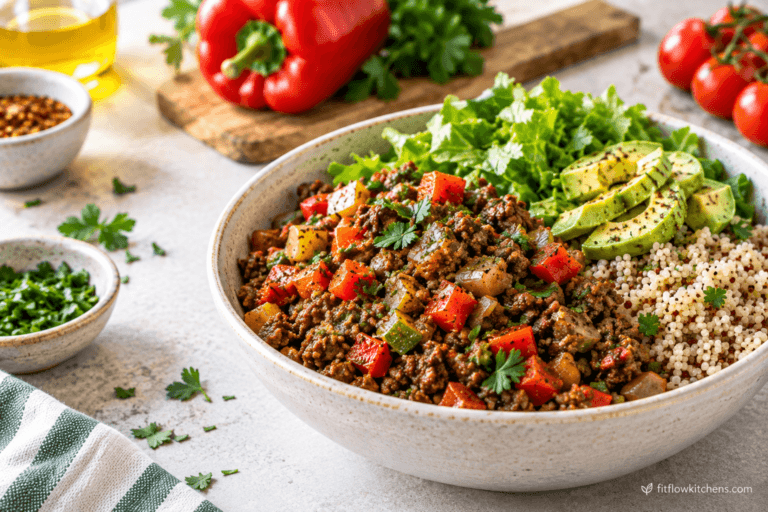
These bowls combine lean protein with healthy fats. Brown ground turkey with taco seasoning, then divide it into containers with black beans and salsa. Add fresh avocado right before eating to keep it creamy and delicious.
Greek chickpea salad for a no-reheat lunch
This salad makes a quick lunch without a microwave. Mix canned chickpeas with diced cucumbers, cherry tomatoes, feta cheese, and light lemon vinaigrette. It stays fresh for days and offers a satisfying crunch that keeps you full until dinner.
Use simple seasoning combinations to prevent flavor fatigue
You do not need exotic spices to keep your food interesting. Use three core profiles: savory herbs, zesty citrus-garlic, and smoky chili-cumin. Rotate these options across proteins and vegetables to keep your palate engaged without complex cooking.
Adjust portions without changing the entire recipe
Mastering clean eating meal prep becomes easier when you learn to adjust portions. For a high-activity day, add an extra scoop of grains or more healthy fat, such as avocado. Keep the base recipe unchanged while adjusting the amount for your day’s energy needs.
Make Clean Eating Meal Prep Fast and Flavorful
Achieving your health goals does not require spending every waking hour in the kitchen. By focusing on clean eating meal prep, you can create delicious, nourishing dishes that fit a busy lifestyle. Build a system that supports your wellness journey without demanding perfection.
Use minimally processed staples without chasing perfection
You do not need to make everything from scratch to eat well. Stocking your pantry with high-quality, minimally processed staples saves time during the week. Use canned beans, pre-cooked quinoa, or frozen wild-caught fish to keep your Meal Prep for Weight Loss routine sustainable.
Prepare two sauces and three seasoning profiles
Flavor helps you stay on track. Instead of cooking separate meals, prepare two sauces—like a zesty lemon-tahini dressing and spicy peanut sauce—to vary bases. Create three seasoning blends: a smoky taco mix, a savory herb rub, and curry powder.
Combine fresh, frozen, and canned ingredients strategically
Strategic shopping combines convenience with nutrition. Frozen vegetables keep nutrient-dense produce on hand, just like fresh options. Canned chickpeas or lentils provide instant protein, while fresh herbs add a bright finishing touch to any bowl.
Reduce added sugar, excess sodium, and calorie-dense extras
Focus on whole foods to limit hidden additives. Check sauce and dressing labels for unnecessary added sugar and excess sodium. Prioritizing whole ingredients also reduces calorie-dense extras that can stall your progress.
Keep vegetables appealing with texture and variety
Vegetables often lose appeal when they become mushy. For satisfying crunch, roast them at high heat or lightly steam them until tender-crisp. Raw elements like shredded carrots or sliced cucumbers contrast with cooked grains and proteins.
Prevent boredom with mix-and-match meal components
Flexibility supports long-term success. Prepare various proteins, grains, and roasted vegetables to assemble different combinations each day. This Meal Prep for Weight Loss strategy helps you avoid feeling stuck with repetitive meals, so healthy habits feel easier.
Stay on Track When Your Schedule Changes
Unexpected changes are part of life, even when you choose healthy eating. A work deadline, social event, or travel delay can disrupt your normal routine. Successful Meal Prep for Weight Loss depends on flexibility, not perfection, when plans change.
Handle restaurants, takeout, and social meals
Dining out does not have to stop your progress. Choose meals with protein and plenty of vegetables. Look for grilled, baked, or steamed dishes instead of fried items to support your nutrition goals.
Recover from an unplanned meal without extreme restriction
If an unplanned meal feels off-plan, do not punish yourself. Extreme restriction can cause overeating later. Return to your next scheduled meal with a fresh mindset. Consistency over time matters far more than one single meal choice.
Recognize hunger, fullness, and emotional eating triggers
Listening to your body can support long-term success. Before eating, pause and ask whether you feel hungry, stressed, or bored. Naming emotional triggers helps you choose wisely instead of reacting to impulses.
Pack portable meals and snacks for work or travel
Reliable options can prevent last-minute, less nutritious choices. Keep these items in your bag or desk:
- Individual packets of nuts or seeds
- Fresh fruit like apples or bananas
- High-protein Greek yogurt cups
- Hard-boiled eggs or jerky
Use a simple weekly check-in to adjust portions
Take five minutes each week to notice how your body feels. If you often feel hungry, increase your protein or fiber intake. This check-in lets you adjust your Meal Prep for Weight Loss strategy without a complete overhaul.
Know when to simplify instead of abandoning the plan
When life feels overwhelming, simplify instead of quitting. You might use store-bought rotisserie chicken and bagged salad for a few days. Doing a little bit is always better than doing nothing at all. Simple habits help your progress continue during busy weeks.
Conclusion
A healthy lifestyle starts with small, steady actions that fit your life. A successful Meal Prep for Weight Loss system uses realistic portions and balanced ingredients to keep you satisfied all day.
Repeatable recipes give you more health control than complex cooking projects. This approach makes your kitchen a tool for success, not a source of stress.
A reliable weekly meal prep plan helps you handle busy days with confidence. When life gets hectic, use simple, nutrient-dense staples and adjust your strategy.
Long-term progress comes from habits you can maintain for months or years. A complicated routine can cause burnout, while a flexible plan keeps you moving toward your goals.
Start today by choosing one or two meals to prepare in advance. Your future self will value the time and energy saved by staying prepared.