Toddler Breakfast Ideas That Are Irresistibly Easy
Mornings can feel like a race against the clock. Finding nutritious and quick meals for your little one can make busy starts calmer. These toddler breakfast ideas offer practical choices for busy schedules and growing appetites.
This guide simplifies your routine with a reliable meal formula. You will learn about food safety, make-ahead recipes, and ways to adjust portions for your child. This guide covers a quick breakfast for 1 year old and hearty meals for active preschoolers.

Try banana oat pancakes, overnight oats, or avocado toast. Refreshing smoothies also pack many vitamins. Start with small servings and adjust textures to match your child’s needs. These breakfast ideas for toddlers can bring health and happiness to your morning.
Key Takeaways
- Focus on balanced nutrition to fuel your child’s morning energy.
- Use simple formulas to create quick meals without extra stress.
- Prioritize food safety by adjusting textures for your child’s age.
- Prepare ingredients in advance to save time during busy mornings.
- Start with small portions and increase them as your child grows.
Set Up Quick, Balanced Toddler Breakfasts
Planning toddler meals can turn chaotic mornings into calm, nutritious starts. A reliable system helps you serve a healthy children’s breakfast without daily cooking stress.
Step 1: Use a Simple Breakfast Formula
Combine a protein, whole grain, fruit or vegetable, and healthy fat
A balanced plate includes four core components: protein, whole grain, fruit or vegetable, and healthy fat. Mix eggs, a whole grain, fruit, and avocado for a nutritionally complete meal that satisfies your child.
Adjust portions for your child’s appetite and age
Toddlers have different energy needs throughout the day. Start with small portions, then let your child’s hunger guide how much food they eat. This helps provide enough fuel for play and learning.
Step 2: Stock Easy Ingredients for Busy Mornings
Keep eggs, Greek yogurt, oats, whole-grain bread, bananas, berries, and avocado ready
A stocked pantry and refrigerator make quick toddler breakfast ideas easier. With these staples ready, you can assemble a meal in minutes instead of searching for ingredients.
Choose low-sodium and unsweetened options whenever possible
Check labels to choose the healthiest versions of your staple foods. Plain Greek yogurt and low-sodium bread help control your growing child’s sugar and salt intake.
Step 3: Prep Breakfast Components Ahead of Time
Cook oatmeal, hard-boiled eggs, and roasted sweet potatoes in advance
Batch cooking helps busy parents. Cook oatmeal, hard-boiled eggs, and roasted sweet potatoes on Sunday evening, then reheat or assemble them during hectic weekday mornings.
Portion fruit and dry ingredients for quick assembly
Portioning ingredients saves time when you hurry. Store washed berries and measured dry oats in containers for quick assembly. This makes your healthy children’s breakfast nearly effortless.
Follow Essential Toddler Food Safety Practices
Cut grapes, berries, and other round foods into safe bite-size pieces
Safety matters most at mealtime. Cut grapes, berries, cherry tomatoes, and other round foods into safe, bite-size pieces to prevent choking.
Soften firm foods and avoid choking hazards such as whole nuts, popcorn, and spoonfuls of nut butter
Soften firm foods, and avoid choking hazards such as whole nuts, popcorn, and spoonfuls of nut butter. Toddlers are still learning to chew, so avoid hard or sticky foods. Thin nut butter with another food or spread it thinly on toast so your child can swallow it safely.
Supervise your child while eating and account for known food allergies
Stay nearby while your child eats and watch their progress. Keep known food allergies in mind to protect your child. This care supports safe exploration of new toddler breakfast ideas.
Easy Toddler Breakfast Ideas You Can Make Step by Step
Simplify your morning routine with these practical, delicious breakfast ideas for toddlers. Soft textures and manageable portions help keep meals safe and enjoyable for your growing child.

Step 1: Make Banana Oat Pancakes
Mash a ripe banana with an egg and quick oats
Mix the three ingredients into a smooth batter. This base gives your child a nutritious start without added sugar.
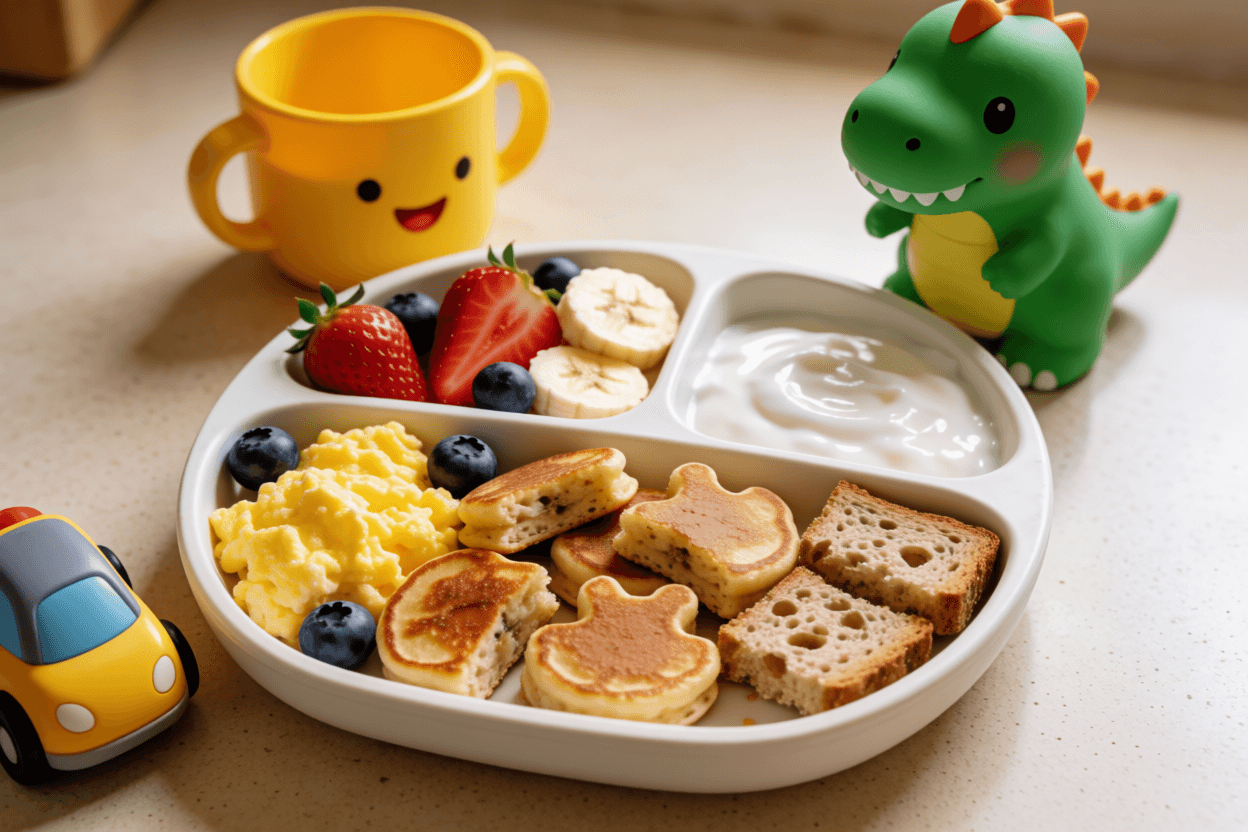
Cook small pancakes in a lightly greased skillet and serve with soft fruit
Keep pancakes small so little hands can hold them easily. Soft, ripe fruit adds vitamins and fiber.
Freeze extras for a grab-and-go breakfast
These pancakes freeze well. They are among the most easy things to make for breakfast when you are rushed.
Step 2: Assemble a Greek Yogurt and Berry Bowl
Spoon plain full-fat Greek yogurt into a bowl
Full-fat yogurt supports toddler development. Choose plain varieties to avoid unnecessary sweeteners.
Top it with mashed or finely chopped berries, soft oats, and a thin swirl of nut or seed butter
Texture matters for safety. Mash or finely chop berries to help prevent choking.
Use unsweetened yogurt and avoid large, hard toppings
Choose unsweetened yogurt and soft, dissolvable toppings such as oats. This makes these toddler breakfast ideas healthy and safe.
Step 3: Prepare Egg and Avocado Toast
Scramble or hard-boil an egg until fully cooked
Eggs provide excellent protein. Cook them thoroughly to meet safety standards.
Spread mashed avocado on soft whole-grain toast
Avocado provides healthy fats that support brain growth. Soft bread makes chewing easier for your toddler.
Cut the toast into strips or small pieces that your toddler can manage
Food strips encourage self-feeding. This method helps your child develop important motor skills during meals.
Step 4: Mix Overnight Oats
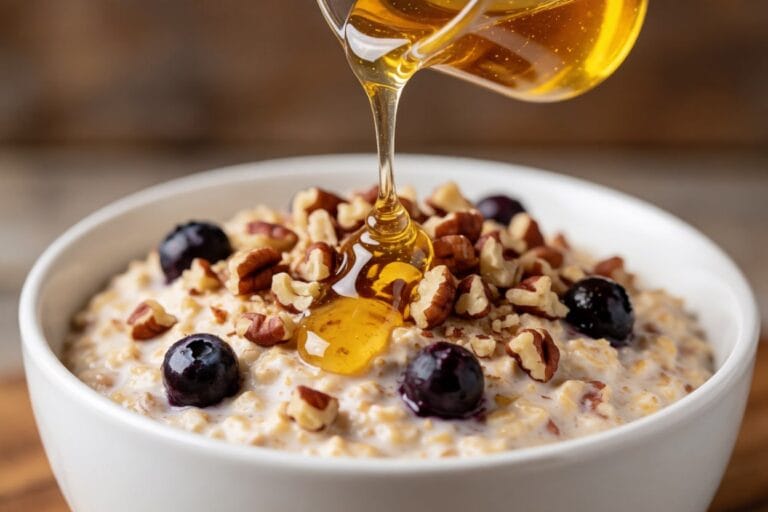
Combine rolled oats, whole milk or plain yogurt, and mashed banana
This mixture softens overnight and becomes creamy. It is one of the most convenient breakfast ideas for toddlers on busy mornings.
Refrigerate the mixture overnight in a covered container
Prepare it the night before to save precious time. Keep the covered container sealed in the fridge until morning.
Stir in soft peaches, pears, or finely chopped strawberries before serving
Fresh fruit adds natural flavor. Make sure it is soft enough for your child to eat comfortably.
Step 5: Bake Sweet Potato and Egg Muffins
Whisk eggs with mashed cooked sweet potato and finely chopped spinach
These muffins are packed with nutrients. They are incredibly versatile and suit toddlers who enjoy savory flavors.
Pour the mixture into greased mini muffin cups and bake until set
Mini muffins suit small appetites. They are among the best easy things to make for breakfast in large batches.
Cool completely, refrigerate leftovers, and reheat them safely
Cool muffins completely, refrigerate leftovers, and reheat them safely. Check reheated food’s temperature before serving. Proper storage keeps muffins fresh for several days.
Step 6: Blend a Simple Breakfast Smoothie
Blend plain yogurt, banana, oats, and a small amount of smooth nut or seed butter
Smoothies pack in energy. Blend nut butter fully to prevent thick clumps.
Add spinach or berries for extra flavor and nutrients
Spinach blends easily and adds iron. Your toddler will likely enjoy the berries’ sweet taste.
Serve the smoothie in an open cup or age-appropriate cup rather than relying on a bottle
Serve the smoothie in an open or age-appropriate cup instead of a bottle. An open cup supports healthy oral development and can help your child’s growth.
Adapt Breakfast Ideas for a 1-Year-Old
Adapting favorite toddler breakfast ideas for a one-year-old is easier than you might think. As children grow, they handle more textures, but safety remains the top priority at every meal.
Choose Soft Textures and Manageable Portions
Offer mashed, shredded, grated, or finely chopped foods as needed
At this stage, your child is still learning to chew. Always ensure foods are soft and easy to swallow by mashing, shredding, or finely chopping ingredients to prevent choking hazards.
Start with small servings and offer more if your child remains hungry
Start with small portions so you do not overwhelm your child. Offer a second helping if they still seem hungry, helping them notice their hunger cues.
Balance Nutrition Without Adding Excess Sugar or Salt
Use fruit, cinnamon, or unsweetened applesauce for natural sweetness
You do not need added sugars to make meals delicious. Natural sweetness from fresh fruit, cinnamon, or unsweetened applesauce adds flavor to a healthy breakfast for 1 year old.
Include iron-rich foods such as eggs, fortified oats, beans, and nut or seed butter
Iron is important for your growing toddler. Add scrambled eggs, fortified oatmeal, cooked beans, or smooth nut butter to breakfast.
Pair carbohydrates with protein and fat to support fullness
Combining food groups helps your child stay satisfied longer. Pairing complex carbohydrates with healthy fats and proteins creates a balanced meal that supports morning energy.
Modify Common Breakfast Foods Safely
Thin nut butter with yogurt or spread it very thinly on toast
Thick globs of nut butter can be hard for toddlers to manage. Thin it with yogurt or spread a very thin layer on toast.
Cook vegetables until tender and cut meat or cheese into small, soft pieces
Cook vegetables until they are fork-tender. Cut meat or cheese into tiny, soft pieces your child can chew and swallow.
Serve whole milk, breast milk, or another recommended milk source according to your pediatrician’s guidance
Your pediatrician can advise you about milk intake. Serve whole milk, breast milk, or a plant-based alternative that meets your child’s health needs.
Introduce New Ingredients Thoughtfully
Offer one unfamiliar food at a time when practical
To expand your toddler breakfast ideas, introduce one new ingredient at a time. This helps you identify possible sensitivities or food preferences.
Watch for signs of an allergic reaction and follow your child’s medical guidance
Watch your child during meals. If you see signs of an allergic reaction, contact your healthcare provider and follow their medical guidance.
Never force your toddler to finish a meal or try a food
Mealtime should feel positive. Avoid pressuring your child to finish a plate or try a food, which can create stress and negative feelings about eating.
Make Healthy Children’s Breakfasts Work on Busy Mornings
Preparing a healthy children’s breakfast does not have to be a time-consuming chore. Organizing your kitchen and planning ahead can bring peace to busy mornings.
Build a Five-Minute Breakfast Routine
Keep one no-cook option, one freezer option, and one make-ahead option available
A varied kitchen helps you stay ready. Keep yogurt or fruit for no-cook days, frozen pancakes for quick heating, and overnight oats in the fridge.
Assemble breakfast while your child sits safely at the table
Have your toddler sit safely at the table while you finish the final steps. This provides supervision and helps them join the morning ritual.
Use a short rotation of familiar meals to reduce decision fatigue
You do not need a new recipe every day. Rotating three or four reliable favorites saves mental energy and keeps mornings consistent.

Turn Leftovers Into Easy Things to Make for Breakfast
Serve leftover roasted vegetables with scrambled eggs
Do not let dinner scraps go to waste. Chopped roasted vegetables add essential nutrients and flavor to a simple scramble.
Use cooked oatmeal or quinoa as a base for fruit and yogurt
Leftover grains make quick bowls. Warm them and add fresh fruit for easy things to make for breakfast in seconds.
Pair leftover chicken or beans with avocado and soft toast when appropriate
Beans or chicken provide a hearty, protein-rich start. Serve them with soft toast, so your toddler can manage the texture safely.
Offer Choices Without Creating Extra Work
Let your toddler choose between two balanced options
Offer a simple choice, such as “Do you want berries or banana slices?” This reduces power struggles while keeping both options nutritious.
Serve family foods with toddler-friendly texture and seasoning adjustments
You do not need to cook separate meals. Adjust the texture or reduce the salt to suit your little one.
Keep mealtime calm and allow enough time for slow eating
A relaxed setting supports digestion and a positive relationship with food. Avoid rushing to keep the experience stress-free for everyone.
Store and Reheat Breakfasts Safely
Refrigerate perishable foods promptly in sealed containers
Food safety matters for a healthy children’s breakfast. Store leftovers in airtight containers to keep them fresh and prevent bacterial growth.
Reheat egg dishes and pancakes until hot, then cool them before serving
When using easy things to make for breakfast from the fridge, heat them thoroughly. Test the temperature before serving to prevent burns.
Discard food that has been sitting out or handled repeatedly
Discard food left on the counter too long or touched by sticky fingers. Prioritizing safety helps keep your child healthy and happy.
Conclusion
Creating consistent toddler breakfast ideas is simple when you pair balanced ingredients with smart preparation. Rotate staples like banana oat pancakes, Greek yogurt bowls, and egg muffins.
These breakfast ideas for toddlers keep meals exciting while meeting nutritional needs. Adjust portion sizes and food textures to match your child’s developmental stage.
Supervise every meal and follow pediatric guidance about allergies to keep children safe. A healthy children’s breakfast supports growth and fuels active play throughout the day.
A routine of nutritious options can reduce stress for your family. You can serve wholesome meals your little one enjoys every morning.
FAQ
What are some of the best breakfast ideas for toddlers that I can prep in advance?
Save time by batch-cooking banana oat pancakes or sweet potato and egg muffins. Store them in the freezer. Another option is overnight oats made with Quaker Old Fashioned Oats and whole milk. The grains soften overnight, so breakfast is ready to serve when your toddler wakes up.
How do I safely prepare a breakfast for 1 year old children who are still learning to chew?
Safety matters when preparing breakfast for 1 year old toddlers. Cut Driscoll’s blueberries or grapes into small pieces, and avoid whole nuts or large spoonfuls of sticky nut butter. For easy swallowing, thin Justin’s Almond Butter with warm water or yogurt, or spread it on soft Ezekiel 4:9 toast.
What are some easy things to make for breakfast when I only have five minutes?
When you are rushed, choose easy things to make for breakfast without cooking. A Greek yogurt bowl using Chobani Plain Whole Milk Yogurt, topped with mashed banana and cinnamon, is fast, nutritious choice. Blend spinach, frozen fruit, and a spoonful of oats into a smoothie, then serve it in an open cup.
How can I ensure I am serving a truly healthy children’s breakfast?
A healthy children’s breakfast follows a simple formula: protein, whole grain, fruit or vegetable, and healthy fat. For example, serve scrambled eggs (protein) with sautéed spinach (vegetable). Add a slice of whole-grain toast (grain) with mashed avocado (fat). This balanced meal supports your child’s growth and energy levels.
Can I use leftovers to create new toddler breakfast ideas?
Yes, repurposing leftovers is a great way to expand your toddler breakfast ideas. Stir leftover roasted sweet potatoes or broccoli into a morning omelet.Pair leftover quinoa with a splash of milk and fresh fruit for a protein-rich alternative to traditional porridge. This reduces food waste and introduces your child to various savory flavors early in the day.
Should I add sugar or salt to my toddler’s breakfast?
It is best to avoid added sugars and high-sodium seasonings for young children. Add flavor with ripe fruit, unsweetened applesauce, or a dash of McCormick Cinnamon. Focus on iron-rich foods like eggs and fortified cereals to support their development without excess salt or processed sweeteners.