Healthy Protein Dinners: Easy, Delicious Meals You’ll Love
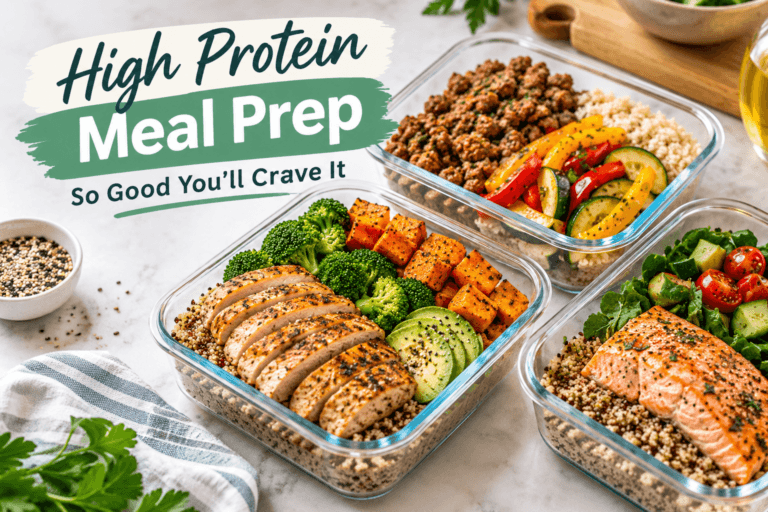
Choosing the right evening meal can feel like a chore. You want healthy protein dinners that satisfy hunger and support your nutrition goals. These meals pair quality nutrients with fresh vegetables, whole grains, or lighter bases to maintain your energy.

Choose chicken, turkey, seafood, tofu, or lentils for a meal that fits your tastes. Mastering your kitchen routine helps you create rich flavor without spending hours at the stove. You can plan portions and adjust each dish for your lifestyle needs.
This guide helps you save time during busy weeknights and keep your plate balanced. These simple, delicious healthy protein dinners can transform your cooking habits and make eating well feel effortless.
Key Takeaways
- Learn to combine lean sources with fiber-rich vegetables for balanced nutrition.
- Discover time-saving techniques for preparing meals on busy weeknights.
- Explore a wide variety of animal and plant-based ingredients for your menu.
- Master portion control to align with your personal wellness goals.
- Adapt classic recipes to fit different dietary preferences and flavor profiles.
Plan Healthy Protein Dinners That Fit Your Goals
Creating healthy protein dinners means building a balanced plate, not just choosing meat. Viewing meals as nutrient combinations gives you more control over your health.
Set a Practical Protein Target for Dinner
Your body needs steady fuel throughout the day. Setting an evening meal goal helps you stay focused on your fitness objectives.
Estimate Portions Using Common Protein-Rich Foods
Use your hand as a simple guide for estimating portions. A palm-sized serving of cooked protein provides about 20 to 30 grams of high-quality nutrients. Consistency is the key to long-term success.
“The secret of getting ahead is getting started, and the secret of getting started is breaking your complex tasks into small, manageable tasks.”
Mark Twain
Balance Protein With Vegetables, Whole Grains, and Healthy Fats
To create healthy high-protein meals, pair protein with fiber and complex carbohydrates. Vegetables add volume, while whole grains provide lasting energy. A little healthy fat, such as avocado or olive oil, helps you feel satisfied long after eating.
Choose Lean and Plant-Based Protein Sources
Variety keeps your diet interesting and provides many micronutrients. Animal products and plant-based choices can both help meet your needs.
Chicken, Turkey, Seafood, Eggs, and Low-Fat Dairy
These foods provide high-quality amino acids with little saturated fat. Chicken breast, turkey, and white fish cook quickly. Eggs and low-fat Greek yogurt also work well in many recipes.
Beans, Lentils, Tofu, Tempeh, and Edamame
Plant-based proteins provide fiber and phytonutrients that support digestion. Tofu and tempeh absorb flavors well, making them ideal for flavorful sauces. Beans, lentils, and edamame make healthy high-protein meals hearty and filling.
- Beans and Lentils: Great for soups and stews.
- Tofu and Tempeh: Ideal for stir-fries and grilling.
- Edamame: A quick, nutrient-dense side dish.
Step-by-Step: Build a Flavorful High-Protein Dinner
You can master high protein recipes with a simple, repeatable cooking plan. This approach removes guesswork and helps you prepare a balanced meal every time.

Choose Your Main Protein
Start by choosing a high-quality protein source to anchor your plate. Animal options include chicken breast, white fish, and lean ground turkey. Plant-based choices include tofu, tempeh, and lentils.
Add Two or More Fiber-Rich Vegetables
Add at least two fiber-rich vegetables to increase the volume and nutrition of your healthy protein dinners. Mix colors and textures, such as roasted broccoli, sautéed spinach, and crisp bell peppers, to keep meals interesting.
Select a Smart Carbohydrate or Low-Carb Base
Choose a smart carbohydrate if you need extra energy. Quinoa, brown rice, and sweet potatoes provide lasting fuel. For a lighter meal, choose a low-carb base like cauliflower rice or zucchini noodles.
Finish With a Flavorful Sauce, Spice Blend, or Garnish
Use a flavorful sauce, spice blend, or garnish to make your dish extraordinary. A well-chosen sauce or spice blend unites each part for a satisfying meal.
Use Citrus, Fresh Herbs, Garlic, and Vinegar for Brightness
You do not need heavy cream or butter to add depth. Use lemon juice, chopped cilantro, minced garlic, or apple cider vinegar for bright, vibrant notes.
Control Sodium in Packaged Sauces and Seasonings
Watch for hidden ingredients in store-bought flavorings. Many packaged sauces contain excessive sodium, so use dry spice rubs or homemade vinaigrettes instead. These choices help keep your healthy protein dinners within your nutrition goals.
Prepare Easy Chicken and Turkey Dinner Recipes
Turn basic poultry into delicious, low calorie high protein meals with little effort. Chicken and turkey support nutrition goals because both meats are lean and versatile.

Sheet-Pan Lemon Herb Chicken With Broccoli and Potatoes
Ingredients and High-Protein Portion Guidance
Build a balanced plate with a 5-ounce chicken breast portion for each person. Add two cups of broccoli florets and a half-cup of diced baby potatoes.
Season the ingredients with fresh lemon juice, minced garlic, dried oregano, and olive oil. This simple blend keeps your high protein recipes flavorful without extra calories.
Roasting Method and Make-Ahead Tips
Heat your oven to 400°F and spread everything in one layer on a large baking sheet. Roast for 20 to 25 minutes, until the chicken reaches 165°F inside.
Chop the vegetables and marinate the chicken the night before to save time. Store them in airtight containers, then place them on the pan when ready.
Ground Turkey Taco Bowls With Black Beans
Build the Bowl With Brown Rice, Salsa, and Avocado
These bowls are strong examples of healthy protein dinners that provide lasting energy. Start with cooked brown rice and lean ground turkey seasoned with cumin and chili powder.
Add a half-cup of black beans for extra fiber and plant-based protein. Top the bowl with fresh salsa and a quarter of a sliced avocado.
Reduce Calories Without Losing Flavor
Replace heavy sour cream with a dollop of non-fat Greek yogurt to keep the dish light. Add sautéed bell peppers and onions to increase the meal’s volume.
Greek Yogurt Chicken Pasta With Spinach
Create a Creamy Sauce Without Heavy Cream
Whisk Greek yogurt with pasta water and lemon zest for a rich, smooth texture. This creates low calorie high protein meals that feel indulgent yet provide key nutrients.
Toss the sauce with whole-wheat pasta, grilled chicken strips, and fresh baby spinach. The hot pasta will wilt the spinach, adding color and vitamins.
Prevent the Yogurt Sauce From Curdling
Temperature control keeps the sauce smooth. Remove the pan from the heat before stirring in the Greek yogurt.
Boiling liquid can make yogurt separate and turn grainy. Temper it with warm pasta water first for a silky finish in your high protein recipes.
Make Fast Seafood and Egg-Based Protein Meals
When time is short, seafood and eggs make smart choices for healthy protein dinners. They cook faster than most meats, so you can serve a nutritious meal within minutes. Keep a few staples in your freezer for a reliable base for evening nutrition.

Garlic Salmon With Quinoa and Roasted Asparagus
Choose a Salmon Portion and Cook It Safely
Choose a fresh or thawed salmon fillet with even thickness for steady cooking. Roast it with asparagus on one sheet pan at 400°F for about 12 to 15 minutes. Always check for doneness by checking that the flesh flakes easily and reaches 145°F inside.
Use a Simple Yogurt-Dill Sauce for Extra Protein
Whisk plain Greek yogurt, fresh dill, lemon juice, and a little garlic together. This creamy topping adds a fresh contrast to rich salmon. It adds dairy protein to your high protein recipes without heavy fats.
Shrimp Stir-Fry With Edamame and Brown Rice
Cook Shrimp and Vegetables Quickly Over High Heat
Shrimp works well on busy nights because it cooks in just three to four minutes. Sear it with favorite vegetables, such as bell peppers and snap peas, in a hot skillet or wok. Add shelled edamame for plant protein, then serve everything with pre-cooked brown rice.
Build a Lower-Sodium Stir-Fry Sauce
Avoid store-bought sauces because they often contain too much salt. Mix low-sodium soy sauce or coconut aminos with ginger, garlic, and rice vinegar instead. This blend keeps your healthy protein dinners flavorful and helps control your sodium intake.
Vegetable Frittata With Cottage Cheese
Combine Eggs, Egg Whites, and Cottage Cheese
A frittata is one of the most flexible high protein recipes you can make. Whisking cottage cheese into the eggs raises protein levels and creates a luxuriously creamy texture. Pour the mixture over sautéed spinach, onions, and mushrooms in an oven-safe skillet.
Serve With a Fresh Salad or Whole-Grain Toast
When the frittata is set and golden, let it rest for a few minutes before slicing. Serve a generous wedge with a crisp green salad and vinaigrette for balance. For a heartier meal, add toasted whole-grain bread for a satisfying crunch.
Cook Healthy High-Protein Meals Without Meat
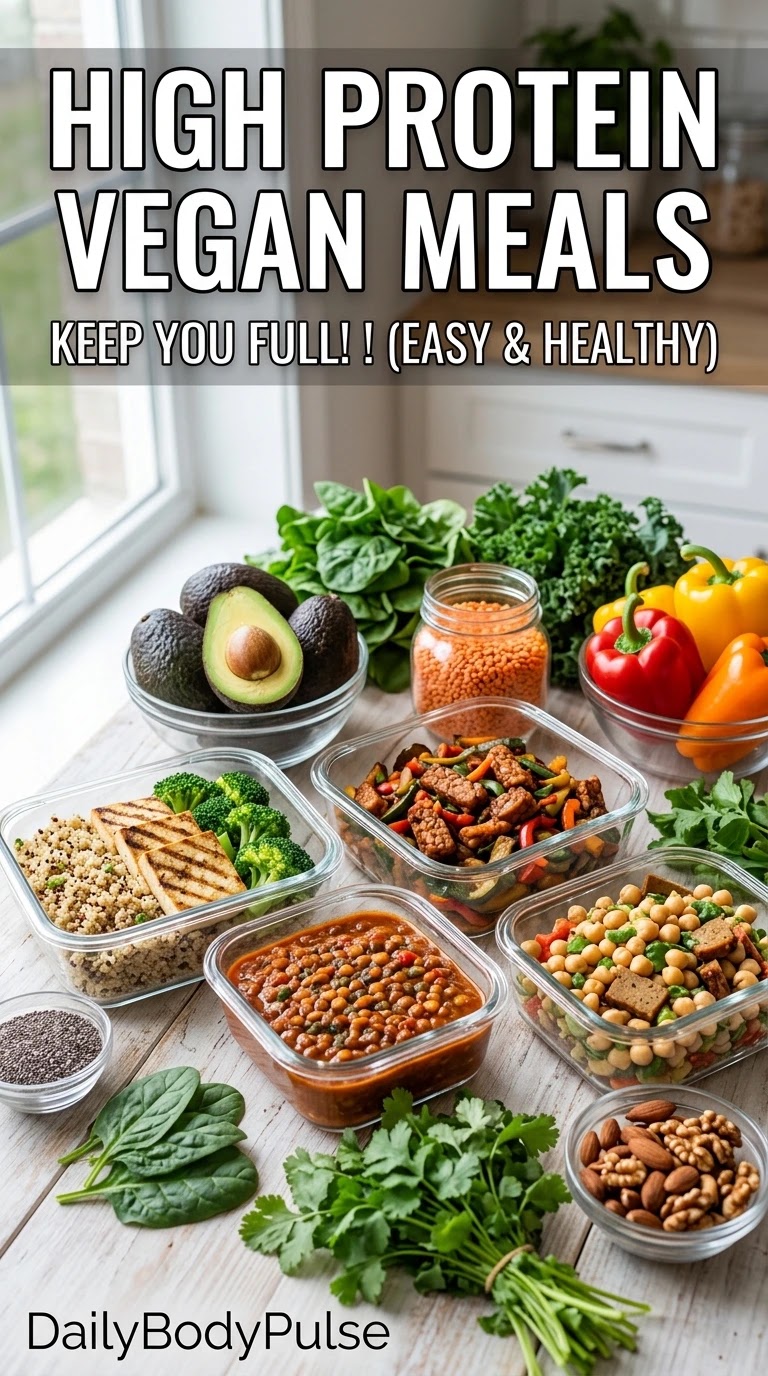
Exploring meatless options is a great strategy for building healthy high-protein meals. By combining legumes, soy, and grains, you can create satisfying dishes that provide the amino acids your body needs. These high protein recipes prove that you do not need animal products for a hearty dinner.

Red Lentil Coconut Curry With Spinach
Red lentils are a fantastic pantry staple for healthy protein dinners. They cook quickly and absorb flavors well, making them perfect for a busy weeknight.
Layer Curry Spices for Deep Flavor
Start by sautéing aromatics like ginger, garlic, and onions. Add turmeric, cumin, and coriander to the oil to bloom them. This releases essential oils for deeper, more complex flavor.
Keep Coconut Milk Portions Balanced
While coconut milk adds a rich, creamy texture, it is calorie-dense. Use a measured amount to balance your meal while keeping its desired velvety consistency.
Tofu and Vegetable Peanut Noodles
Tofu is a versatile plant-based protein that works well in many high protein recipes. When prepared correctly, it offers a satisfying bite that pairs well with savory sauces.
Press and Sear Tofu for a Better Texture
Always press your tofu to remove excess water before cooking. Searing the cubes in a hot pan until golden brown creates a firm, chewy exterior that suits noodles and vegetables.
Make a Protein-Focused Peanut-Lime Sauce
Whisk together natural peanut butter, lime juice, soy sauce, and a touch of chili paste. This sauce adds bold flavor and extra protein to your healthy protein dinners, tying everything together.
Black Bean and Quinoa Stuffed Peppers
Stuffed peppers are a colorful, nutritious way to serve a complete meal. They are easy to customize with the vegetables you have on hand.
Combine Complete Plant Proteins and Vegetables
Mixing black beans with quinoa creates a complete protein profile. Adding diced bell peppers, corn, and onions increases fiber, helping your healthy high-protein meals keep you full longer.
Prepare the Filling Ahead of Time
You can save time by cooking the quinoa and bean mixture in advance. Store the filling in the refrigerator, then stuff your peppers before baking for a stress-free dinner.
Turn Low-Calorie High-Protein Meals Into Satisfying Dinners
Creating healthy protein dinners that leave you satisfied takes a few clever kitchen tricks. You need not eat large portions when you choose the right ingredients. Focus on nutrient-dense foods for low calorie high protein meals that keep you energized all evening.
Increase Volume With Nonstarchy Vegetables
The secret to feeling satisfied often lies in the volume of your plate. Spinach, broccoli, and bell peppers add fiber without many calories. Adding these to your protein diet ideas meals creates a larger portion that keeps your stomach full longer.
Use High-Protein Swaps for Common Ingredients
Small cooking changes can greatly improve your nutrition. Swap standard pantry staples for protein-rich options to make better dinners.
Choose Greek Yogurt Instead of Sour Cream
Greek yogurt makes a great substitute for sour cream in almost any recipe. It provides a creamy texture and much more protein. This simple swap supports your goals while keeping favorite dishes delicious.
Replace Some Pasta or Rice With Cauliflower or Zucchini
Use vegetables as a base to lower your dinner’s carbohydrate content. Mix half a serving of brown rice with riced cauliflower, or replace half your pasta with spiralized zucchini. This method creates a hearty bowl while keeping your healthy protein dinners light and balanced.
Measure Calorie-Dense Fats and Toppings
Healthy fats like olive oil, nuts, and seeds can add calories quickly. Measure them instead of pouring them directly into the pan. A measuring spoon adds flavor without pushing past your daily calorie targets.
Keep Flavor High With Spices, Sauces, and Texture
Flavor supports long-term success with any nutrition plan. Use fresh herbs, bold spices, and acidic foods like lemon juice to brighten meals. Crunchy toasted chickpeas or raw vegetables give your protein diet ideas meals a satisfying, treat-like texture.
| Standard Ingredient | High-Protein/Low-Cal Swap | Benefit |
|---|---|---|
| Sour Cream | Plain Greek Yogurt | Higher protein, lower fat |
| White Pasta | Zucchini Noodles | Lower calorie, higher fiber |
| White Rice | Riced Cauliflower | Increased volume, fewer carbs |
| Heavy Cream | Blended Cottage Cheese | Creamy texture, high protein |
Organize Prep and Cooking for Busy Weeknights
A clear kitchen plan helps you enjoy healthy protein dinners each night. It reduces stress after a long workday by making cooking decisions easier. Efficient cooking supports nutrition goals without using your limited free time.
Batch-Cook Proteins, Grains, and Vegetables
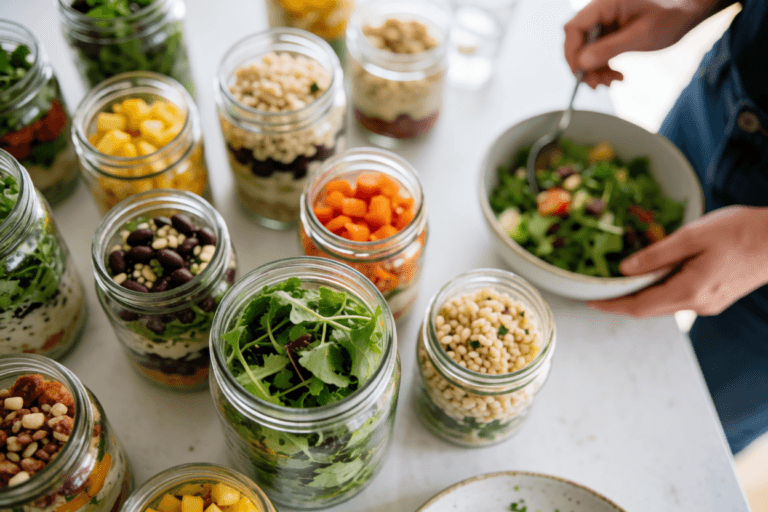
Batch cooking helps streamline your meal routine. Preparing large batches of chicken, quinoa, or roasted vegetables keeps nutritious ingredients ready in your fridge.
Store Cooked Foods in Shallow, Airtight Containers
Shallow, airtight containers help protect food quality. They cool food quickly, which helps prevent bacteria growth and keeps ingredients fresh longer.
Label Portions and Refrigerate or Freeze Promptly
Label each container with its preparation date. Move cooked food to the refrigerator or freezer promptly to maintain the integrity of your healthy high-protein meals and prevent spoilage.
Use a Three-Night Dinner Prep Routine
A three-night cycle makes cooking easier to manage. Prep most ingredients during one afternoon, then assemble dinners on busy weeknights.
Prepare Ingredients on One Day
Spend your Sunday or Monday evening washing, chopping, and roasting base ingredients. Pre-cooked proteins and grains let you assemble a meal in under ten minutes.
Change Sauces and Toppings to Prevent Repetition
Variety helps you stay consistent with your diet. Use chicken and rice as the base, then switch between spicy salsa, creamy tahini sauce, or fresh herb vinaigrette. This keeps your palate excited.
“The secret to success is consistency, and the secret to consistency is a well-organized kitchen that supports your goals.”
Follow Food-Safety Basics
Food safety comes first when you handle food. Proper temperature control keeps your healthy high-protein meals safe and delicious throughout the week.
Cook Poultry, Seafood, Eggs, and Leftovers Thoroughly
Make sure proteins reach the recommended internal temperature. A meat thermometer reliably confirms that chicken, fish, or eggs are cooked safely.
Reheat Leftovers Until Steaming Hot
Heat leftovers until they are steaming hot throughout before eating. This practice helps maintain the quality of your healthy protein dinners and ensure food safety.
| Prep Step | Action Item | Benefit |
|---|---|---|
| Batch Cooking | Roast proteins and grains | Saves time during the week |
| Storage | Use shallow containers | Faster cooling and freshness |
| Variety | Rotate sauces and spices | Prevents flavor fatigue |
| Safety | Reheat to steaming hot | Ensures food is safe to eat |
Adapt Protein Diet Ideas Meals to Your Preferences
Your dinner plate should match your dietary needs and budget. Customizing your healthy protein dinners helps make your nutrition plan enjoyable and sustainable over time.
Make Dinners Gluten-Free, Dairy-Free, or Vegetarian
Most recipes can fit your lifestyle with simple changes. For gluten-free meals, replace wheat pasta with quinoa, brown rice, or chickpea-based noodles. For dairy-free meals, use nutritional yeast, coconut milk, or avocado-based sauces instead of cheese or cream.
Vegetarians can replace meat with plant-based protein sources. Lentils, chickpeas, and tempeh provide plenty of protein and help keep you full. Check labels to ensure ingredients meet your dietary restrictions.
“The best diet is the one you can actually stick to because it fits your life, not the other way around.”
Adjust Portions for Weight Loss, Maintenance, or Muscle Gain
Your body goals guide how much you eat at each meal. For weight loss, add more non-starchy vegetables while keeping your protein portion consistent. This approach helps you feel full without exceeding your calorie budget.
To gain muscle, increase complex carbohydrates and healthy fats with your protein. For maintenance, balance your meals to keep evening energy levels steady. Use this guide to adjust your protein diet ideas meals:
- Weight Loss: Prioritize fiber-rich greens and lean protein sources.
- Maintenance: Balance your plate with equal parts protein, veggies, and whole grains.
- Muscle Gain: Increase your portion of complex carbohydrates to fuel recovery.
Swap Ingredients Based on Budget and Availability
Healthy eating does not have to cost a lot. Stay flexible with your grocery list while meeting your nutrition needs. When fresh food is out of season or costly, choose alternatives with similar nutrients.
Use Canned Beans, Frozen Vegetables, and Canned Tuna Wisely
Pantry staples help you save money. Canned beans offer affordable, shelf-stable plant protein and fiber. Frozen vegetables often keep their nutrients and flavor because they are picked at peak ripeness.
Canned tuna is another affordable protein source. Use it in quick salads or warm grain bowls. Rinse canned beans before adding them to reduce their sodium.
Choose Seasonal Produce for Better Value and Flavor
Seasonal produce offers better flavor and value. These foods often cost less because they are abundant and travel shorter distances. Fruits and vegetables taste best when harvested at the right time of year.
| Season | Best Value Produce | Protein Pairing |
|---|---|---|
| Spring | Asparagus, Peas | Salmon or Tofu |
| Summer | Zucchini, Peppers | Chicken or Beans |
| Fall/Winter | Kale, Squash | Turkey or Lentils |
Conclusion
Building healthy protein dinners gets easier when you know their core parts. Pair quality protein with fiber-rich vegetables and a smart carbohydrate base for balanced plates. Combine chicken, salmon, tofu, or lentils with fresh produce and bold seasonings.
Variety keeps your kitchen routine exciting and easy to maintain. Choose Greek yogurt for a creamy sauce, or use quinoa as a nutrient-dense grain. These options help healthy protein dinners stay satisfying throughout the entire week.
A few smart habits can improve your kitchen success. Use batch preparation to save time on busy evenings. Practice portion control to meet your specific fitness goals, and follow high food-safety standards to protect your health.
Small cooking changes can make a significant difference to your long-term wellness. Plan your next grocery trip today and stock up on the essentials. Your journey toward better nutrition starts with the very next meal you prepare.
FAQ
How can I quickly build healthy high protein meals without a lot of prep?
Use an assembly method, starting with a lean protein like Tyson grilled chicken strips or StarKist tuna. Add at least two fiber-rich vegetables, such as steamed broccoli or sautéed spinach. Choose a smart base like Lundberg quinoa or cauliflower rice, then finish with fresh herbs, lemon juice, or garlic powder.
What are the best high protein recipes for busy weeknights?
The best high protein recipes for busy nights include sheet-pan meals and one-pot dishes. A Lemon Herb Chicken with roasted asparagus and potatoes cooks your whole dinner on one tray. A shrimp stir-fry with frozen edamame and brown rice takes under 20 minutes and provides muscle-building protein and fiber.
How can I make low calorie high protein meals feel more satisfying?
Make low calorie high protein meals more filling by adding food volume through nonstarchy vegetables like zucchini, peppers, and leafy greens. Use high-protein swaps to help maintain fullness. For example, replace sour cream with Fage Total Greek yogurt or traditional pasta with Banza chickpea pasta to improve your dinner’s protein-to-calorie ratio.
Are there effective protein diet ideas meals for vegetarians?
Absolutely. Good protein diet ideas meals include Red Lentil Coconut Curry and Black Bean and Quinoa Stuffed Peppers. Combine legumes with whole grains or soy-based proteins like Nasoya extra-firm tofu to create a complete amino acid profile. Adding Greek yogurt or cottage cheese to sauces and frittatas also boosts meatless dishes’ protein.
How do I prevent Greek yogurt sauces from curdling in high protein recipes?
For creamy sauces in high protein recipes, such as Greek Yogurt Chicken Pasta, never boil the yogurt. Temper it by whisking in a little warm pasta water first for a smooth, creamy texture. Remove the pan from the main burner, then add the mixture over low heat, avoiding a boil and heavy, high-calorie creams.
What is the best way to store and reheat batch-cooked protein dinners?
Store healthy protein dinners in shallow, airtight containers like Glasslock so they cool quickly and stay fresh. Label each portion with the date, then refrigerate it for three to four days. Reheat food until it is steaming hot to maintain food safety, especially with poultry or seafood leftovers.
How can I adapt these protein diet ideas meals on a strict budget?
Adapt protein diet ideas meals by choosing affordable staples. Use canned beans, lentils, and canned tuna as main protein sources. Buy frozen vegetables in bulk and choose seasonal produce to support a nutrient-dense diet without overspending. These budget-friendly foods work well in stir-fries, stews, and grain bowls.