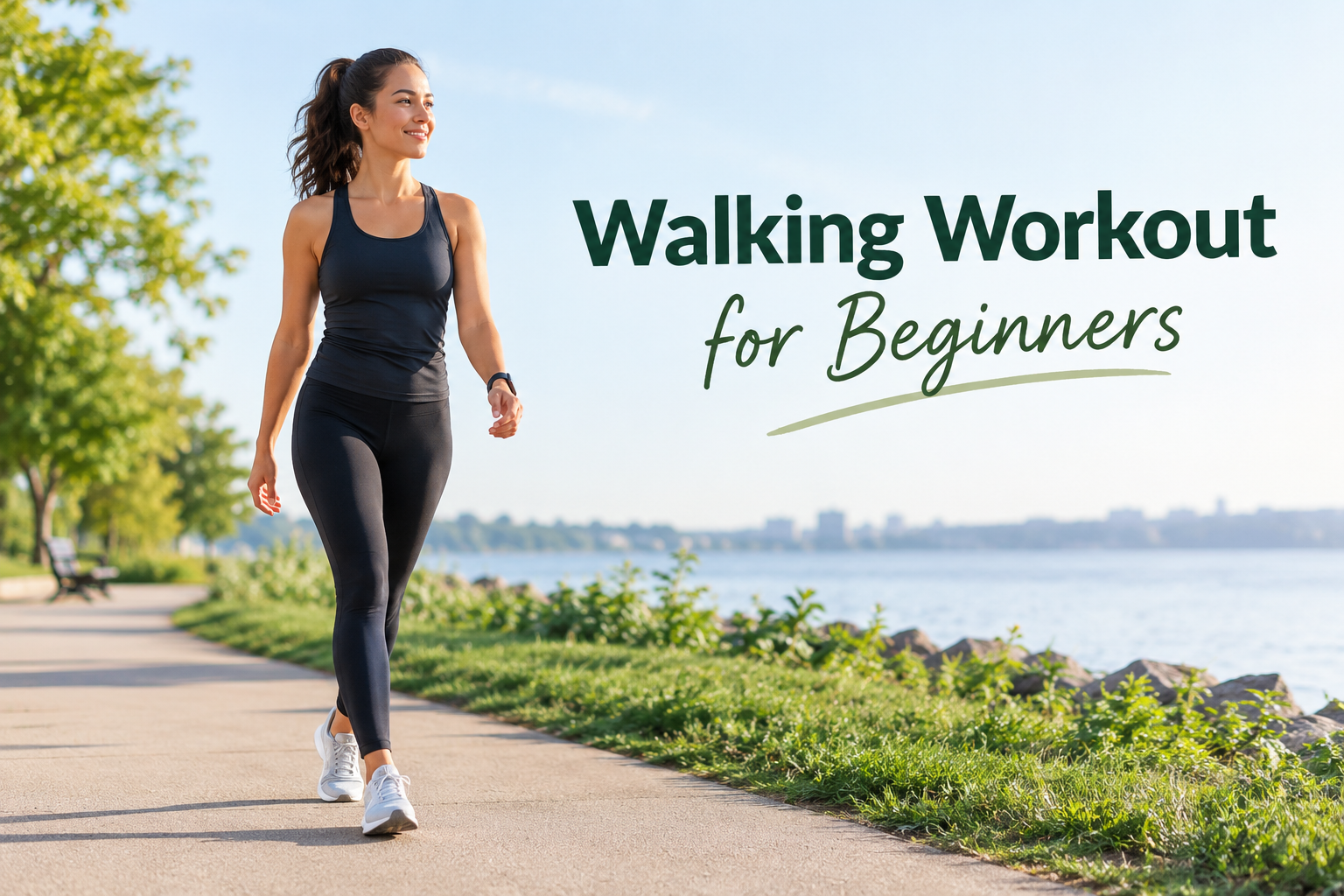
Walking Workout for Beginners: Powerful Benefits With Every Step
You do not need expensive equipment or a gym membership to start getting fit. You can improve your health by stepping outside your front door. A walking workout for beginners offers an easy way to build stamina and support overall well-being.
Health professionals generally recommend at least 150 minutes of moderate aerobic activity each week for adults. If you are new, reach this goal by slowly increasing your workout time and intensity. Knowing the walking benefits can keep you motivated as you change your daily habits.

This guide offers practical advice for success. You will learn how to choose a starting point, create a consistent plan, and improve your technique. You can change your pace or route to fit this beginner walking exercise and your current fitness level.
Key Takeaways
- Walking is a highly accessible form of exercise that requires no special gear.
- Aim for 150 minutes of moderate activity per week to improve heart health.
- Start at a comfortable pace and increase your distance slowly to avoid injury.
- Proper technique helps you burn more calories and protects your joints.
- Consistency is the most important factor in achieving long-term fitness results.
Walking Workout for Beginners: Set Your Starting Point
Before you lace up your sneakers, define your personal starting point. A successful walking workout for beginners depends on knowing your limits and setting realistic expectations for your body.
Define Your Walking Goal and Current Fitness Level
To build a sustainable walking routine for beginners, first identify what you want to achieve. Weight management, improved heart health, or clearing your mind can guide your beginner walking goals. Make them specific and measurable.
Assess your activity level with a short, brisk walk around your neighborhood. If you feel winded after ten minutes, that is your baseline. Use it to create a plan that challenges you without causing burnout or injury.

Choose Supportive Shoes and a Safe Walking Location
Investing in supportive walking shoes is the most important step for protecting your joints. Choose footwear with proper arch support and cushioning to prevent common aches. Your feet will thank you after every mile.
When planning your route, prioritize safe walking routes that are well-lit and have even surfaces. Avoid busy roads with heavy traffic, and choose paths with clear visibility. If you walk at night, always wear reflective gear to stay visible to drivers.
Track Time, Distance, Pace, and How You Feel
Tracking progress helps you see how far you have come. Keep a simple log of each session, including duration, distance, and average pace. Also record your perceived effort on a scale of one to ten.
| Effort Level | Physical Sensation | Recommended Use |
|---|---|---|
| Low | Easy breathing, can sing | Warm-up or recovery |
| Moderate | Deep breathing, can talk | Standard daily walk |
| High | Heavy breathing, short sentences | Interval training |
When to Check With a Health Care Professional
If you have chronic health conditions, such as heart disease or diabetes, consult your doctor before starting. Seek medical advice if physical activity causes chest pain, dizziness, or joint swelling. Prioritizing your safety helps you continue your journey toward better health for years.
Build Your Walking Exercise Plan Step by Step
Your path to better fitness starts with a simple plan that grows with your abilities. A consistent walking exercise plan helps build endurance safely and avoid burnout or injury.

Step 1: Warm Up With Easy Walking and Mobility
Before you pick up the pace, prepare your muscles for the work ahead. Start with five minutes of slow, easy walking to raise your heart rate gradually.
Add gentle mobility moves, such as shoulder rolls or light leg swings, to loosen your joints. Proper preparation gets your body ready for physical demands.
Step 2: Establish a Comfortable Base Routine
Consistency forms the foundation of a successful fitness journey. Walk at a steady, comfortable pace for 15 to 20 minutes without feeling overly tired.
Repeat this routine at least three times per week so your body can adapt. When it feels natural, add more variety to your sessions.
Step 3: Add Brisk Walking Intervals
To improve heart and lung health, add a brisk walking workout to your schedule. Alternate between your normal pace and short, faster bursts.
These walking intervals challenge your heart and lungs more than steady walking alone. Start with one minute of faster walking, followed by two minutes of recovery.
Step 4: Increase Duration Before Intensity
A smart walking progression focuses on walking longer, not moving faster. Extend your total time on your feet before increasing speed or tackling steep hills.
“The secret to long-term success is not in the intensity of a single day, but in the steady accumulation of small, consistent wins.”
Use the Talk Test to Control Your Effort
The talk test for exercise offers a simple way to measure effort. If you can carry on a conversation while walking, you are likely in a moderate aerobic zone.
If you can speak only a few words at a time, you are pushing too hard. Listen to your body and adjust your pace for a sustainable effort level.
Improve Fitness With Smart Walking Workout Techniques
Refining your movement can turn a simple walk into an effective training session. Focus on mechanics to help your body work efficiently and reduce strain. A proper walking workout technique helps you use more energy during every session.
Use Proper Posture, Arm Swing, and Stride
Maintaining an upright walking posture creates a strong foundation for your workout. Keep your head high, shoulders relaxed, and core gently engaged to support your spine. This alignment helps you breathe easily and prevents neck and back tension.
Let your arms swing naturally from the shoulder, not the elbow, with a slight bend. Do not cross your arms over your body, because this can affect your balance. Use a smooth heel-to-toe roll to maintain momentum without overextending your legs.
Adjust Your Pace for More Cardiovascular Challenge
After mastering your form, gradually increase your speed. A brisk walking workout raises your heart rate and improves endurance. Walk fast enough to talk, but feel slightly breathless.
This cardiovascular walking exercise strengthens your heart and lungs over time. Alternate between a moderate pace and short, faster bursts. This change engages your muscles and keeps your routine fresh.
Add Hills, Inclines, and Varied Terrain Gradually
Adding walking hills to your route builds lower body strength. Begin with gentle inclines instead of steep slopes to protect your joints. Add these changes slowly so your muscles can adjust.
Different surfaces, such as grass or gravel, also challenge your stabilizer muscles. Stay safe by choosing a clear, stable path. Consistency is key, so wait until you feel ready for difficult terrain.
Finish With a Cooldown and Gentle Stretches
Do not skip the final phase of your session, because it supports recovery. A cooldown lets your heart rate return gradually to its resting state. Walk for five minutes at a very slow, relaxed pace.
Next, gently stretch your calves, hamstrings, and quadriceps. Hold each stretch for about thirty seconds to improve flexibility and reduce stiffness. This habit helps you feel refreshed instead of exhausted after your workout.
Recognize Signs to Slow Down or Stop
Listening to your body is vital during any fitness journey. Slow down or stop immediately if you experience unusual pain, dizziness, or lightheadedness. Stop exercising and seek medical advice if chest discomfort or severe shortness of breath persists.
Always pay attention to what your body is telling you; it is the most reliable guide for your fitness progress.
Make Your Walking Routine for Beginners Deliver More Benefits
You can maximize the impact of your walking routine for beginners by focusing on long-term consistency. Instead of pushing for extreme intensity, make time for walks each day. This approach helps your body adapt safely and builds a foundation for lasting health.
Support Calorie Burning With Consistent Walking
A calorie-burning walk works best when it becomes part of your regular lifestyle. Keep a steady pace to help your metabolism work efficiently throughout the week. A structured walking exercise plan helps you burn energy consistently instead of relying on rare, intense sessions.
Use Walking to Improve Mood, Energy, and Daily Movement
Beyond physical changes, walking for mood enhancement supports your mental well-being. Regular movement releases endorphins, which help reduce stress and boost daily energy. Even a short, brisk walk can clear your mind and improve focus for the rest of the day.
Schedule Recovery While Building Weekly Consistency
Building consistent walking habits requires activity and needed rest. Aim for the recommended 150 minutes of moderate activity each week, but listen to your body when tired. Recovery days let muscles repair, prevent burnout, and keep you moving forward over time.
Stay Motivated With Routes, Walking Partners, and Progress Markers
Staying motivated is easier when you have a clear strategy. Explore new routes or invite a friend to change your scenery and enjoy a walk. A calendar gives you a visual reminder of your dedication and helps you celebrate small wins.
| Activity Type | Frequency | Goal |
|---|---|---|
| Brisk Walking | 4-5 days/week | Cardiovascular health |
| Leisurely Stroll | 2 days/week | Active recovery |
| Total Weekly Time | 150+ minutes | Long-term fitness |
Conclusion
Your path to better wellness starts with one step. A walking workout for beginners turns simple movement into a strong tool for long-term health.
You can build a sustainable walking plan that fits your lifestyle. Wear supportive footwear, such as Brooks or New Balance shoes, to protect your joints. Choose safe, well-lit routes to stay motivated during daily sessions.
Listen to your body as you increase distance and intensity. After building a comfortable base, add brisk intervals or challenging hills to improve cardiovascular fitness. This beginner fitness routine depends on consistency and tracking your progress over time.
Put on your sneakers today and take a short, realistic walk. Each minute of movement builds a foundation for a stronger, more energetic you. Your commitment to this habit can create lasting physical and mental well-being.
FAQ
How much should I walk each week to see health benefits?
According to the American Heart Association, adults should aim for at least 150 minutes of moderate-intensity aerobic activity per week. When starting a walking routine for beginners, you do not need to reach this goal at once. Build stamina with manageable sessions, such as 10 or 20 minutes daily, until you reach the weekly benchmark.
How do I know if I am maintaining the right intensity during a brisk walking workout?
Use the “Talk Test” to monitor your effort. During a brisk walking workout, your heart rate should rise, and your breathing should become deeper. You can carry on a conversation, but singing should feel difficult; easy speech suggests the ideal moderate-intensity zone.
What kind of gear do I need to start a walking exercise plan?
Walking needs very little equipment, but supportive footwear is essential to prevent injury. Choose shoes from reputable brands like Brooks, New Balance, or Asics with proper arch support and cushioning. Also, wear moisture-wicking clothing and choose safe, well-lit routes with level surfaces for comfort.
Should I focus on walking faster or walking longer when I first start?
For most people following a new walking exercise plan, it is better to increase duration before intensity. Build a steady habit, then slowly add minutes to each session. After your body adapts, add brisk walking intervals or hills to challenge your cardiovascular system.
When should I consult a doctor before starting a walking routine for beginners?
Walking is safe for most people, but check with a health care professional first if you have chronic health conditions. These include heart disease or arthritis, or symptoms like chest pain, dizziness, or severe shortness of breath during activity. A professional can tailor your routine to your physical needs.
How can I stay motivated to keep walking every day?
Consistency is key to seeing results. To stay engaged, try tracking your progress with a Fitbit or apps such as Strava. Try new routes, listen to podcasts, or join a local walking group.Remember that recovery days are also important. Resting helps you maintain your walking routine for beginners over the long term without burning out.