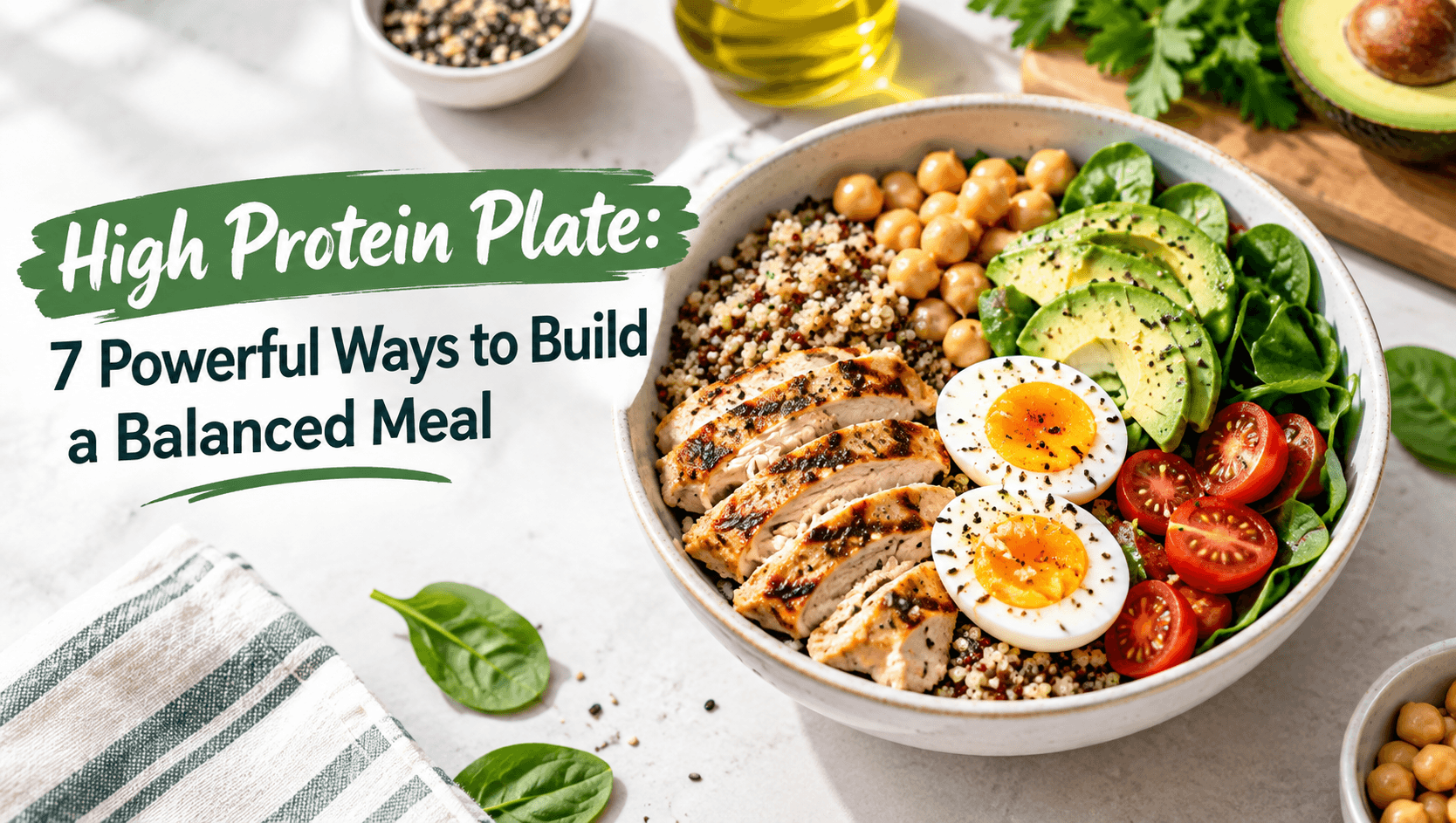
High Protein Plate: 7 Powerful Ways to Build a Balanced Meal
Creating a balanced meal does not have to be a complex chore. This guide offers seven effective strategies to help you design a high-protein plate that fuels your body throughout the day. By focusing on lean protein and nutrient-dense whole foods, you can gain lasting energy without feeling sluggish.

We will explore how to combine key macronutrients with fresh vegetables and healthy fats. You will learn to customize portions and choose convenient options for your busy lifestyle. These high-protein meal ideas simplify your kitchen routine and keep your nutrition goals on track.
Key Takeaways
- Prioritize lean sources to support muscle recovery and satiety.
- Incorporate a variety of colorful vegetables for essential fiber.
- Use healthy fats to improve nutrient absorption and flavor.
- Select whole food ingredients to minimize processed additives.
- Adjust portion sizes to match your specific activity levels.
- Plan ahead with convenient staples to save time during the week.
Build Your High Protein Plate Around a Protein Anchor
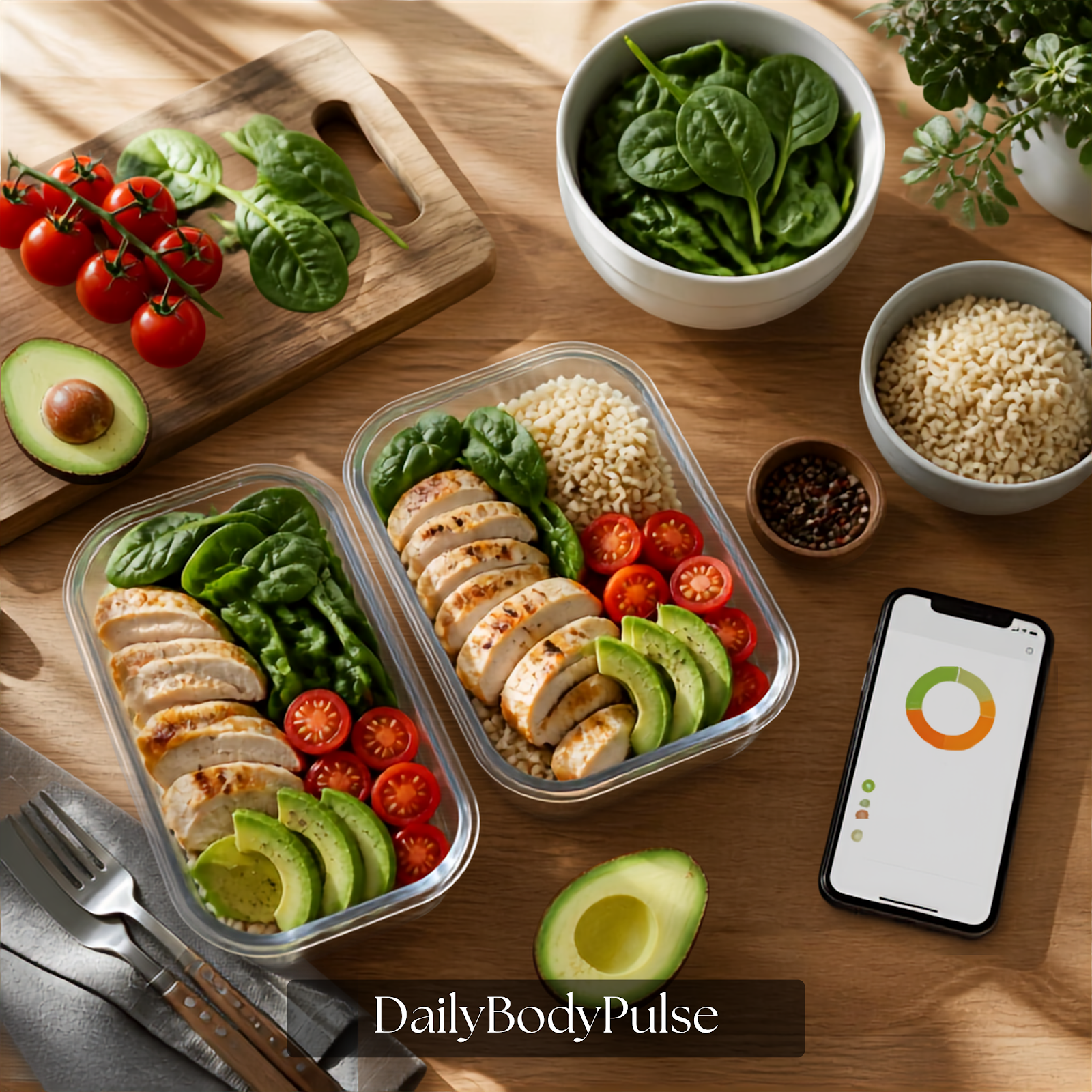
Build meals around one high-quality protein anchor to master balanced eating. This plan simplifies grocery shopping and helps each dish support your wellness goals. Prioritizing it creates protein-rich meals that keep you full and energized all day.

Choose a Lean or Plant-Based Protein as the Meal’s Foundation
Choosing a nutrient-dense option, such as lean protein or a plant food, is the first step toward a successful high protein plate. Both animal and plant foods can provide essential amino acids.
Healthy Protein Foods for Different Dietary Preferences
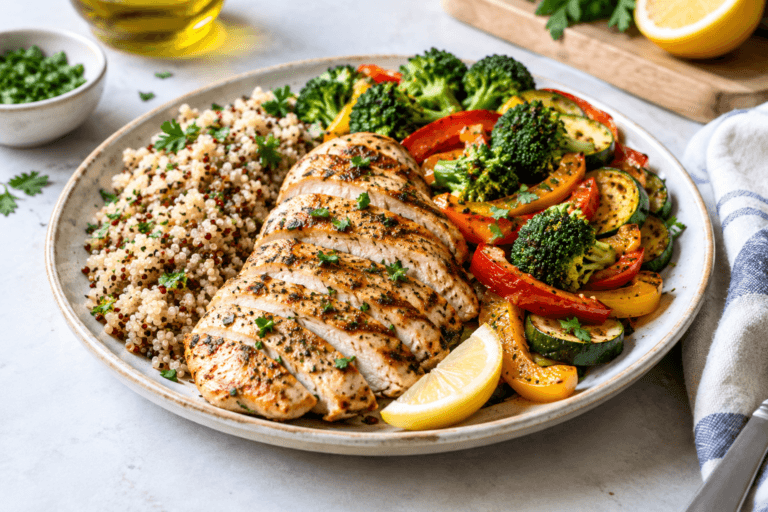
Choose options that match your diet to keep meals varied. Omnivores may choose chicken breast or wild-caught salmon, while vegetarians may choose eggs, Greek yogurt, or cottage cheese. These healthy protein foods include tempeh, seitan, and lentils for people following a plant-based protein lifestyle.
| Dietary Style | Primary Protein Source | Preparation Tip |
|---|---|---|
| Omnivore | Chicken Breast | Grill with herbs |
| Vegetarian | Greek Yogurt | Add to savory bowls |
| Plant-Based | Organic Tofu | Press and pan-sear |
Practical Portion Targets for Everyday Meals
Consistency matters when you aim for optimal health. A general rule is to choose a portion about the size of your palm at each meal. This visual guide helps you meet your targets without constant calorie counting.
“The quality of your protein intake is just as important as the quantity. Focus on whole, minimally processed foods to maximize your nutritional return.”
— Nutrition Science Daily
Combine Protein Sources to Create More Satisfying Meals
Sometimes, one source cannot provide the texture or flavor you want. Combining different healthy protein foods can improve your cooking and provide a more complete amino acid profile.
Pairing Animal and Plant Proteins
You can boost your meal’s volume by mixing animal and plant sources. For example, adding black beans to lean ground turkey creates a hearty base for tacos or chili. This pairing provides high-quality animal protein and fiber-rich legumes.
Combining Legumes, Grains, Nuts, and Seeds
If you eat only plants, pair different plant groups for a complete protein profile. A classic example combines brown rice with lentils or chickpeas. Sprinkle hemp seeds or walnuts on your salad for crunch and more protein in your protein-rich meals.
Fill Half the Plate with Protein-Friendly Vegetables
Filling half your plate with vegetables improves the nutrition in daily meals. Each balanced high-protein meal then supplies vitamins and minerals your body needs to work well. Vegetables also add food volume without many extra calories.

Use High-Fiber Vegetables to Add Volume and Nutrients
Adding high-fiber vegetables helps maintain steady energy throughout the day. Fiber slows digestion, so you feel full and satisfied longer after eating. That support makes health goals easier while you enjoy nutrient-dense food.
Cruciferous Vegetables, Leafy Greens, and Colorful Produce
Choose produce with different colors and textures. Cruciferous vegetables like broccoli, cauliflower, and Brussels sprouts provide crunch and antioxidants. Likewise, leafy greens such as spinach, kale, and arugula create a nutrient-rich base for any high protein plate.
- Add bell peppers or carrots for a vibrant, colorful crunch.
- Include dark leafy greens to boost your iron and vitamin intake.
- Experiment with cruciferous vegetables to add heartiness to your dinner.
Balance Raw, Roasted, and Steamed Vegetables
Variety helps you stay consistent when preparing protein-rich meals. Changing cooking methods prevents boredom and brings out produce’s flavor. Raw vegetables stay crisp, while roasted vegetables offer deeper flavor for every palate.
Easy Preparation Methods for Protein-Rich Meals
You can create a balanced high-protein meal without spending hours in the kitchen. Steaming and roasting take minutes, helping you maintain a healthy lifestyle. The table shows how preparation methods affect your high-fiber vegetables.
| Method | Texture | Best For |
|---|---|---|
| Raw | Crunchy | Salads and quick snacks |
| Roasted | Caramelized | Adding depth and flavor |
| Steamed | Tender | Retaining maximum nutrients |
Add Smart Carbohydrates for Lasting Energy
A balanced high-protein meal needs more than a protein source; it also needs complex, fiber-rich carbohydrates. Together, these nutrients pair with lean proteins and help provide lasting energy on busy days.
Select Fiber-Rich Whole Grains and Starchy Vegetables
The right fuel sources support long-term health. Whole grains and nutrient-dense starches release glucose steadily, avoiding a quick spike and crash.
Quinoa, Brown Rice, Oats, Sweet Potatoes, and Beans
These foods add vitamins, minerals, and fiber to any high protein plate. Try these versatile options:
- Quinoa: A complete plant-based protein that pairs perfectly with roasted vegetables.
- Brown Rice and Oats: Reliable sources of complex energy that keep you satisfied.
- Sweet Potatoes: Packed with antioxidants and fiber for a nutrient-dense side.
- Beans: These legumes bridge the gap between protein and carbohydrates, making them ideal for protein-rich meals.
“The secret to a healthy diet is not in restriction, but in the intelligent selection of whole foods that fuel your body’s unique needs.”
Match Carbohydrate Portions to Activity and Hunger
Your carbohydrate needs should match your daily movement and appetite. On highly active days, a slightly larger serving of fiber-rich carbohydrates can help replenish glycogen stores.
Building a Balanced High-Protein Meal Without Overloading the Plate
Use your hand as a simple guide for a balanced high-protein meal. For most people, carbohydrates filling a cupped palm provide lasting energy without causing sluggishness.
Controlled portions let you enjoy protein-rich meals that support your fitness goals and steady blood sugar. Listen to your body’s hunger cues, then adjust your next meal’s fuel as needed.
Include Healthy Fats for Flavor and Fullness
Build your high protein plate with nutrient-dense fats for lasting fullness and rich flavor. Protein remains the meal’s foundation, while healthy fats help you stay satisfied for hours. These fats improve texture and taste without replacing your main protein.
Choose Nutrient-Dense Sources of Unsaturated Fat
Choosing unsaturated fat can support heart health while adding flavor to your meals. These fats provide nutrients that help your body absorb vitamins from vegetables. Quality sources add depth to each bite.
Avocado, Olive Oil, Nuts, Seeds, and Fatty Fish
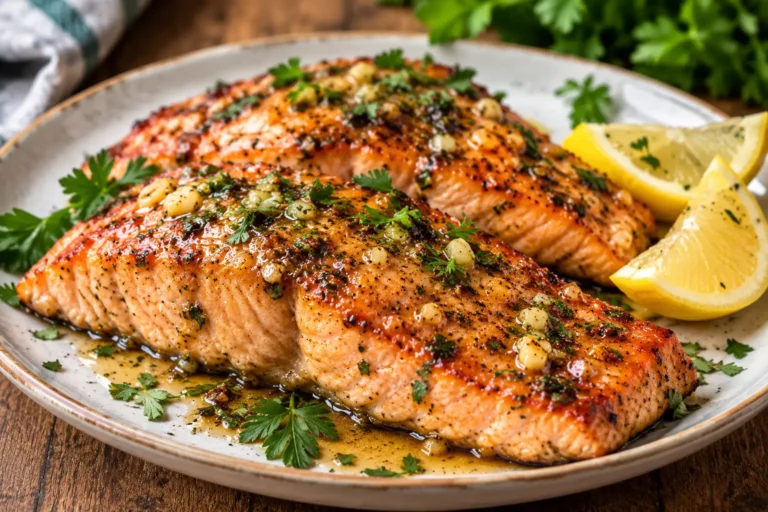
Adding avocado or olive oil can turn a simple salad into a special meal. Nuts and seeds add crunch, while fatty fish like salmon provides protein and omega-3 fatty acids. These foods fit many meals, from quick lunches to elaborate dinners.
| Fat Source | Best Use | Key Benefit |
|---|---|---|
| Avocado | Salads or Toast | Creamy Texture |
| Olive Oil | Dressings or Roasting | Heart Health |
| Walnuts | Topping or Snack | Omega-3 Content |
| Salmon | Main Protein | High Nutrient Density |
Use Sauces, Dressings, and Toppings Strategically
Careful use of sauces and dressings can turn a basic meal into a flavorful protein-packed plate. Measure them to control calorie density while improving flavor. Small amounts can make dining more enjoyable.
Flavorful Additions for a Protein-Packed Plate
Try tahini-based dressings or a light vinaigrette made with olive oil to brighten greens. Toasted seeds or chopped nuts add complexity and keep your palate engaged. These small choices support healthy eating habits that are sustainable and delicious.
Use Convenient Protein Options for Easy Healthy Meals
Building a high protein plate feels easy when your pantry has the right ingredients. You do not need hours in the kitchen to enjoy nutritious, satisfying food each day. Simple choices help you meet your health goals during busy weeks.
Keep Ready-to-Eat Protein Staples on Hand
Stocking convenient protein, such as Greek yogurt and cottage cheese, lets you assemble meals in minutes. These staples support your nutrition and provide reliable fuel whenever you need it.
Greek Yogurt, Cottage Cheese, Eggs, Canned Fish, Tofu, and Beans
These healthy protein foods need little preparation and work in many meals. Keep them in your refrigerator or pantry:
- Greek yogurt and cottage cheese for quick, high-protein snacks or breakfast bases.
- Hard-boiled eggs for an instant protein boost to any salad or bowl.
- Canned tuna or salmon, which provide omega-3 fatty acids and lean protein.
- Pre-pressed tofu and canned beans, which are perfect for rapid stir-fries or plant-based additions.
Assemble Fast Plates from Simple Grocery Store Ingredients
Making easy healthy meals means pairing these staples with fresh produce and complex carbohydrates. Mix and match ingredients to enjoy variety while meeting your dietary needs.
Quick Combinations for Breakfast, Lunch, and Dinner
Try these simple strategies to build your plate without the stress of complex cooking:
- Breakfast: Combine Greek yogurt with berries and a sprinkle of nuts for a fast, nutrient-dense start.
- Lunch: Toss canned beans or tuna with pre-washed greens, olive oil, and a squeeze of lemon for a refreshing salad.
- Dinner: Sauté pre-pressed tofu with frozen vegetable medleys and serve over quick-cooking quinoa or brown rice.
Keeping these essentials stocked removes barriers to eating well. Consistency is the key to long-term success, and these habits make it easier.
Customize Portions, Flavor, and Variety for Sustainable Eating
Building sustainable eating habits means adapting your plate as your needs change. A balanced high-protein meal should not feel like a rigid chore. Treat nutrition as a flexible framework for daily energy and long-term health.
Adjust the Plate for Fitness Goals, Appetite, and Dietary Needs
Your body needs different fuel based on activity and health goals. Adjust the ratios on your protein-packed plate to meet those needs.
Considerations for Weight Management, Muscle Support, and Vegetarian Diets
For weight management, choose high-volume, low-calorie vegetables to help you feel full. For muscle support, keep your protein portion consistent, even on rest days. People following vegetarian diets should combine complementary plant proteins for a complete amino acid profile.
Rotate Protein Sources to Improve Variety and Nutrient Intake
Eating the same chicken breast every day can cause burnout. Rotating animal and plant-based sources adds variety and provides more essential micronutrients.
| Protein Category | Examples | Best Use Case |
|---|---|---|
| Animal-Based | Salmon, Turkey, Eggs | High bioavailability |
| Plant-Based | Lentils, Tofu, Tempeh | Fiber and phytonutrients |
| Convenience | Greek Yogurt, Canned Tuna | Quick recovery snacks |
Weekly Ideas for Keeping High-Protein Meals Interesting
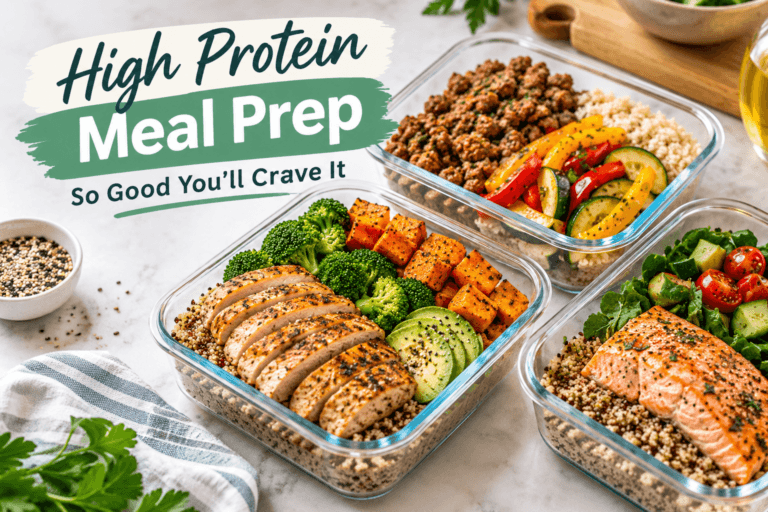
Planning ahead helps maintain easy healthy meals during a busy week. Use these strategies to keep your high protein plate exciting:
- Theme Nights: Dedicate specific days to different cuisines, such as Mediterranean bowls or stir-fry nights.
- Batch Prep Sauces: A simple change in dressing or spice rub can completely transform a standard balanced high-protein meal.
- Mix and Match: Keep a list of three protein sources, three vegetables, and three grains to rotate randomly.
A dynamic approach keeps your protein-packed plate enjoyable instead of repetitive. This flexibility supports long-term success in your health journey.
Conclusion
A high protein plate changes how you fuel your body for the day ahead. Choose lean protein anchors and fiber-rich vegetables for lasting energy and focus.
Smart carbohydrates and healthy fats help meals satisfy you. These choices support balanced nutrition and keep hunger stable through the afternoon.
Easy healthy meals help you stay consistent during busy work weeks. Keep staples from brands like Tyson or Bird’s Eye in your kitchen for simple, efficient preparation.
These habits support sustainable eating that fits your unique lifestyle. A protein-packed plate can help you reach wellness goals without strict deprivation.
Start small by swapping one ingredient at a time to see the benefits. Your journey toward better health begins with the next meal you prepare.
FAQ
What is a “protein anchor” and why is it the foundation of a meal?
A protein anchor is the main amino acid source and centerpiece of your dish. Start with healthy protein foods such as Perdue lean chicken breast, Wild Planet sockeye salmon, or Nasoya organic tofu. This first step gives your body building blocks for muscle repair and helps you feel full before adding other foods.
How can I ensure I am eating enough vegetables in my protein-rich meals?
Fill exactly half of your protein-packed plate with high-fiber vegetables. Earthbound Farm organic broccoli, plus leafy greens like spinach, provide key micronutrients and add volume. This creates protein-rich meals that satisfy you and provide nutrients without many extra calories.
Which carbohydrates are best for maintaining lasting energy?
Choose fiber-rich whole grains and starchy vegetables to maintain energy and avoid an afternoon crash. Bob’s Red Mill quinoa, brown rice, and roasted sweet potatoes provide slow-releasing fuel. In a balanced high-protein meal, they support the protein anchor with glucose for brain function and physical activity.
What are some tips for creating easy healthy meals when I am short on time?
You can make easy healthy meals quickly by keeping ready-to-eat staples in your pantry and refrigerator. Fage Total Greek yogurt, Good Culture cottage cheese, and StarKist tuna pouches create a protein-packed plate in minutes. These foods suit busy professionals who need quality nutrition without extensive meal preparation.
How should I adjust my protein intake for specific fitness goals like muscle support?
Personalization supports long-term success. If your goal is muscle support, increase your protein anchor portion with Eggland’s Best large eggs or lean grass-fed beef. For weight management, add more green vegetables while keeping a steady intake of healthy protein foods. This helps you stay full while meeting your metabolic targets.
Can I build a protein-packed plate using only plant-based sources?
Absolutely. Combine plant sources to create a balanced high-protein meal with a complete amino acid profile. Pair chickpeas with whole grains or seeds, such as Manitoba Harvest hemp hearts, to increase protein in meatless dishes. This variety helps people following vegetarian or vegan diets maintain nutrient diversity.
What role do healthy fats play in a high-protein diet?
Healthy fats help your body absorb nutrients and add flavor. Add a quarter of a California Avocado or drizzle Bertolli Extra Virgin Olive Oil onto protein-rich meals. They improve texture and fullness, making your protein-packed plate delicious and biologically satisfying.